
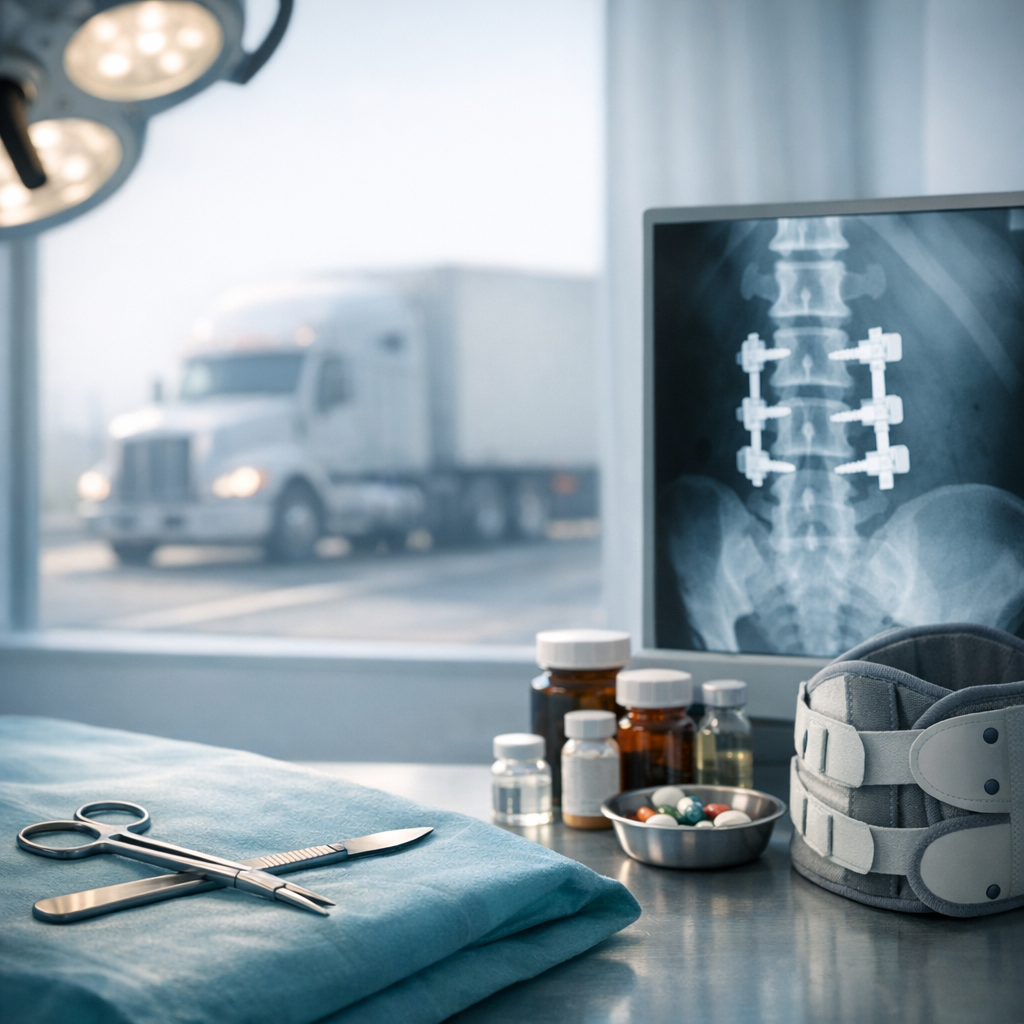
The Impact of Surgery on Truck Accident Injury Recovery
Overview of the Treatment or Rehabilitation Approach
Truck accidents can result in severe injuries due to the sheer size and force of the vehicles involved. These injuries often necessitate immediate and long-term medical intervention. Surgery plays a pivotal role in the recovery process, addressing both life-threatening conditions and long-term mobility issues. The primary goal of surgical interventions is to stabilize the patient, repair damage, and facilitate optimal recovery.
Surgeries performed after truck accidents typically focus on critical areas such as the head, spine, internal organs, or limbs. Each procedure is tailored to the patient’s unique injuries and overall health status. Depending on the injury severity, surgeries may either be emergent, taking place immediately after stabilization, or elective, scheduled once the patient is stable.
When This Treatment is Commonly Used After Truck Injuries
Surgical intervention becomes a priority when injuries are severe and require immediate attention to prevent life-threatening complications. Common scenarios include:
– Fractures and Dislocations: When bones are broken or joints dislocated, surgery is employed to realign and stabilize them.
– Traumatic Brain Injuries (TBI): Substantial head trauma might necessitate surgical intervention to reduce pressure on the brain.
– Spinal Cord Injuries: Surgeries may be needed to stabilize the vertebrae and protect spinal cord integrity.
– Internal Bleeding or Organ Damage: Injuries to internal organs might require surgical repair to prevent further complications.
Each situation mandates a specific surgical approach tailored to manage the specific consequences of the truck accident.
What the Treatment Process Involves
The surgical treatment process following a truck accident usually progresses through several crucial phases:
1. Initial Assessment and Stabilization: Upon arrival at a medical facility, the priority is evaluating the injuries and stabilizing the patient’s condition. Imaging tests like X-rays, CT scans, or MRIs help determine the extent of the injuries.
2. Surgical Intervention: Depending on the injury assessment, emergency surgeries may be performed to mitigate immediate risks. Surgeons may use techniques such as internal fixation for fractures or craniotomy for brain injuries.
3. Post-Surgical Care: After surgery, patients may spend time in intensive care for monitoring. This phase involves pain management, infection prevention, and initiation of rehabilitation planning.
4. Rehabilitation: Physical and, sometimes, occupational therapy are integrated into recovery to restore functionality and independence. Rehabilitation is a critical facet that combined with surgery, significantly impacts recovery timelines and outcomes.
Recovery Expectations and Timelines
Recovery timelines following surgery for truck accident injuries vary widely based on the injury type, the individual’s health status, and successful post-surgical rehabilitation.
– Bone Injuries: Healing can take weeks to months. Therapy focuses on regaining strength and mobility.
– Brain and Spinal Injuries: Recovery can be an extended process, sometimes requiring intensive therapy spanning months or years, depending on the injury severity.
– Internal Organs: Post-operative recovery for internal injuries might be shorter but demands careful monitoring and gradual rehabilitation to rebuild overall health.
Recovery is comprehensive, involving physical healing as well as mental and emotional support, particularly after traumatic incidents like truck accidents.
Variations in Treatment Plans
Though surgical procedures follow general protocols, individual treatment plans are highly personalized:
– Patient Condition: Age, overall health, and pre-existing conditions can significantly influence surgical decisions and recovery speed.
– Type and Severity of Injury: More complex injuries might necessitate multiple surgeries or a combination of surgical and non-surgical treatments.
– Technological and Medical Advances: Access to cutting-edge technologies and techniques can affect surgical planning and potential outcomes.
Factors That Influence Recovery Progress
Several factors can positively or negatively impact recovery after surgery for truck-related injuries:
– Patient Compliance: Adherence to post-operative and rehabilitation protocols significantly influences outcomes.
– Support Systems: Family and community support can provide emotional stability and motivation during recovery.
– Access to Quality Care: Continuous access to skilled medical professionals and rehabilitation services is crucial.
Conclusion
The role of surgery in truck accident injury recovery is vital and multifaceted, addressing immediate threats and laying the groundwork for long-term rehabilitation. While surgery significantly enhances recovery potential, the success of treatment is contingent upon comprehensive post-surgical care and rehabilitation efforts. By understanding the nuances of surgical interventions, individuals and healthcare providers can work toward efficient recovery, restoring functionality and enhancing the quality of life after a truck accident.