# How defective truck parts cause liability Defective components can turn an ordinary truck trip into a catastrophic incident—and when they do, **defective truck parts liability** often hinges on who designed, manufactured, installed, maintained, or ignored the problem. Below are the most common ways faulty parts create legal exposure and how responsibility is typically determined. ## 1) Defects that lead directly to crashes When a part fails, it can cause loss of control, delayed stopping, or sudden mechanical breakdowns. Common examples include: – Brake system failures (air brakes, calipers, lines, chambers) – Tire and wheel defects (tread separation, blowouts, rim failures) – Steering and suspension failures (tie rods, steering gears, kingpins) – Coupling and trailer connection failures (fifth wheel, hitch, safety chains) – Lighting and visibility defects (headlights, brake lights, reflective tape) If that failure contributes to a collision, it opens the door to claims based on product defects and negligence. ## 2) Product liability: when the part itself is defective A defective part can trigger product liability claims against parties in the supply chain (manufacturer, distributor, retailer). Defects generally fall into three buckets: – **Design defects:** The part is inherently unsafe even when made correctly (e.g., a brake component designed with insufficient tolerance for heat). – **Manufacturing defects:** The design is fine, but a specific batch is flawed (e.g., contaminated materials, improper welding, incorrect assembly). – **Failure to warn/instructions defects:** Inadequate warnings or installation instructions (e.g., no warning about required torque specs or maintenance intervals). This is a core driver of **defective truck parts liability**, because the focus is on the product and how it reached the road in an unsafe condition. ## 3) Negligence and maintenance liability: when people or companies contribute Even with a flawed part, liability can expand if others made the situation worse, such as: – Skipping inspections or ignoring warning signs (noise, vibration, wear indicators) – Installing incompatible parts or using incorrect procedures – Failing to follow recall notices or service bulletins – Poor fleet maintenance programs or inadequate mechanic training This can place responsibility on trucking companies, maintenance contractors, repair shops, or even individual technicians. ## 4) Recalls and prior knowledge increase exposure If a defect was known—or should have been known—liability risk rises. Evidence that can shift or strengthen fault includes: – Recall notices and whether they were acted upon – Prior similar incidents, complaints, or internal testing data – Service bulletins, warranty claims, and repair histories Failing to address a known defect can support claims for punitive damages in some jurisdictions. ## 5) Causation: linking the defect to the crash In defective-part cases, proving the failure caused the harm is essential. This often involves: – Preserving the failed part and documenting its condition – Downloading vehicle data (ECM/EDR) and maintenance logs – Accident reconstruction and metallurgical/engineering analysis – Reviewing installation records and torque/fitment specs Without a clear causal link, **defective truck parts liability** becomes harder to establish—even if the part looks suspicious. ## 6) Shared fault: multiple parties can be liable Truck-part cases frequently involve overlapping responsibility: – A manufacturer for a defective component – A distributor for selling it – A repair shop for improper installation – A fleet for poor maintenance or ignoring recalls – A driver for operating with known mechanical issues Many claims are resolved through comparative fault or apportionment, where each party pays according to its share of responsibility. ## 7) Damages and legal consequences When defective parts cause injuries or deaths, claims may seek: – Medical costs, lost income, and long-term care – Property damage and business interruption – Pain and suffering – In some cases, punitive damages (especially with knowledge or concealment) Regulatory consequences (DOT/FMCSA violations, civil penalties) can also compound exposure for fleets and maintenance providers. ## Conclusion “How defective truck parts cause liability” comes down to one key issue: when a component fails, liability can attach to the product maker, the parties who handled it, and those responsible for inspection and repair. Because **defective truck parts liability** is often shared across multiple actors, proving defect type, causation, and knowledge is central to determining who pays—and how much.

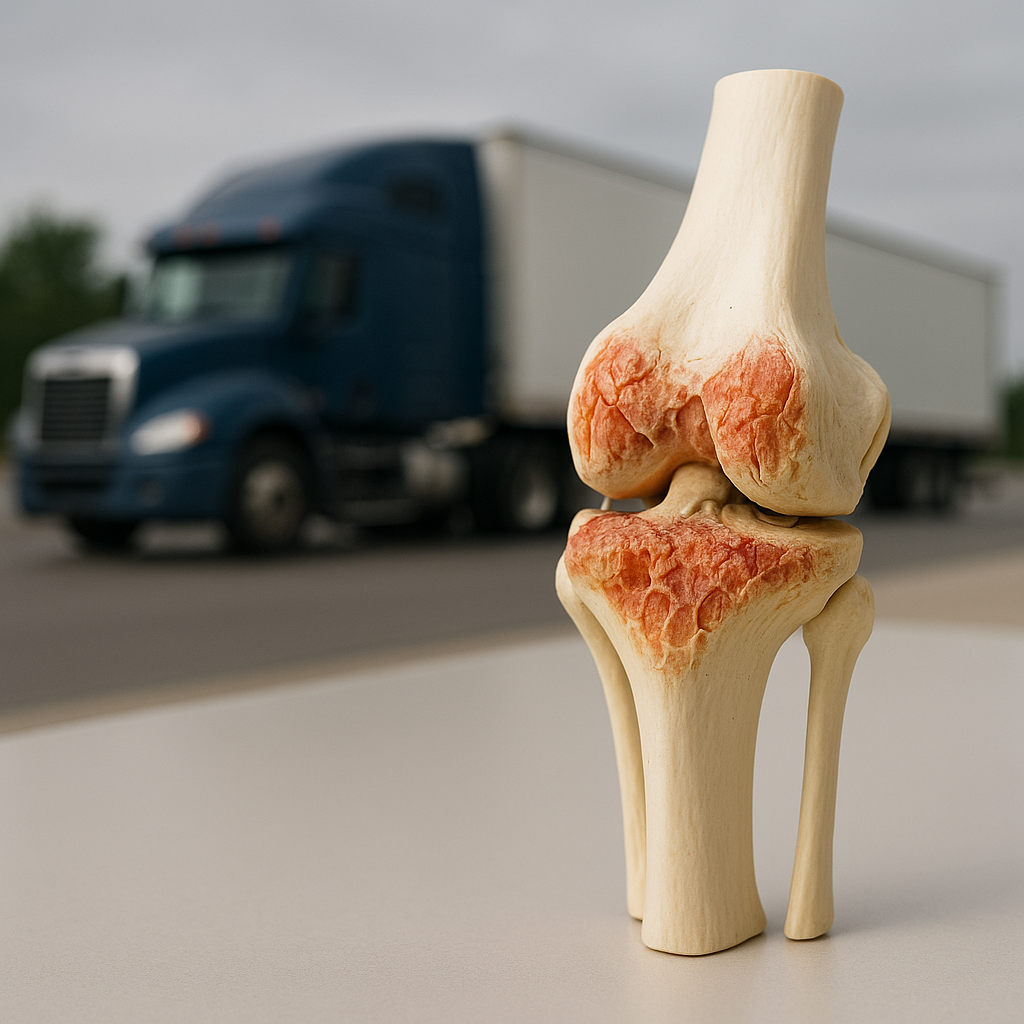
tissue degeneration truck illustration for Severe Soft Tissue Degeneration After Truck Accidents

Severe Soft Tissue Degeneration After Truck Accidents

Overview of the Injury

Severe soft tissue degeneration is a significant health issue that can arise following truck accidents. This condition primarily involves the deterioration of soft tissues such as muscles, ligaments, and tendons, leading to long-term discomfort and reduced functionality. Understanding the causes, symptoms, and daily impacts of this injury is crucial for those affected by such accidents.

How This Injury Commonly Occurs in Truck Accidents

Truck accidents can result in various types of physical trauma due to the sheer size and force involved. When a collision occurs, the abrupt impact can exert excessive pressure on the body, leading to the tearing or stretching of soft tissues. This damage often results in degeneration over time, a process where injured tissues fail to heal correctly, causing chronic pain and weakness.

Typical Symptoms and Physical Effects

The symptoms of severe soft tissue degeneration can vary, but several signs are commonly observed. Individuals may experience persistent pain in the affected areas, along with swelling and stiffness. Range of motion often decreases, and bruising or discoloration may occur due to internal bleeding. Over time, untreated or poorly healed injuries might lead to further complications, including muscle atrophy and joint instability.

How the Injury Affects Daily Activities

Severe degeneration of soft tissues can significantly impact daily life. Routine activities such as walking, lifting, or even sitting for extended periods can become challenging. Individuals may find themselves unable to participate in physical activities they once enjoyed, leading to a more sedentary lifestyle. This reduction in mobility can affect not only physical health but also emotional well-being.

Variations in Severity

The severity of soft tissue degeneration varies across individuals. Some may experience mild discomfort, while others endure debilitating pain. This variation often depends on the extent of initial injury, the specific tissues affected, and how the body responds to healing processes. Early medical evaluation and intervention can play an essential role in determining the severity and progression of the condition.

Factors That Influence Recovery

Several factors can influence the recovery process from severe soft tissue degeneration. The individual’s overall health, age, and physical fitness can impact how effectively the body heals. The quality and timeliness of medical treatment also play crucial roles. Rehabilitation, through physical therapy, can aid in strengthening muscles and improving flexibility, potentially hastening recovery and improving outcomes.

Closing Section

Understanding severe soft tissue degeneration following truck accidents is vital for those affected by such traumatic events. While the road to recovery can vary, comprehending the nature of this injury, its symptoms, and its impact on daily life can help individuals navigate their circumstances more effectively. Awareness of the factors influencing severity and recovery can also provide valuable insights for managing the condition and working towards improved quality of life.