
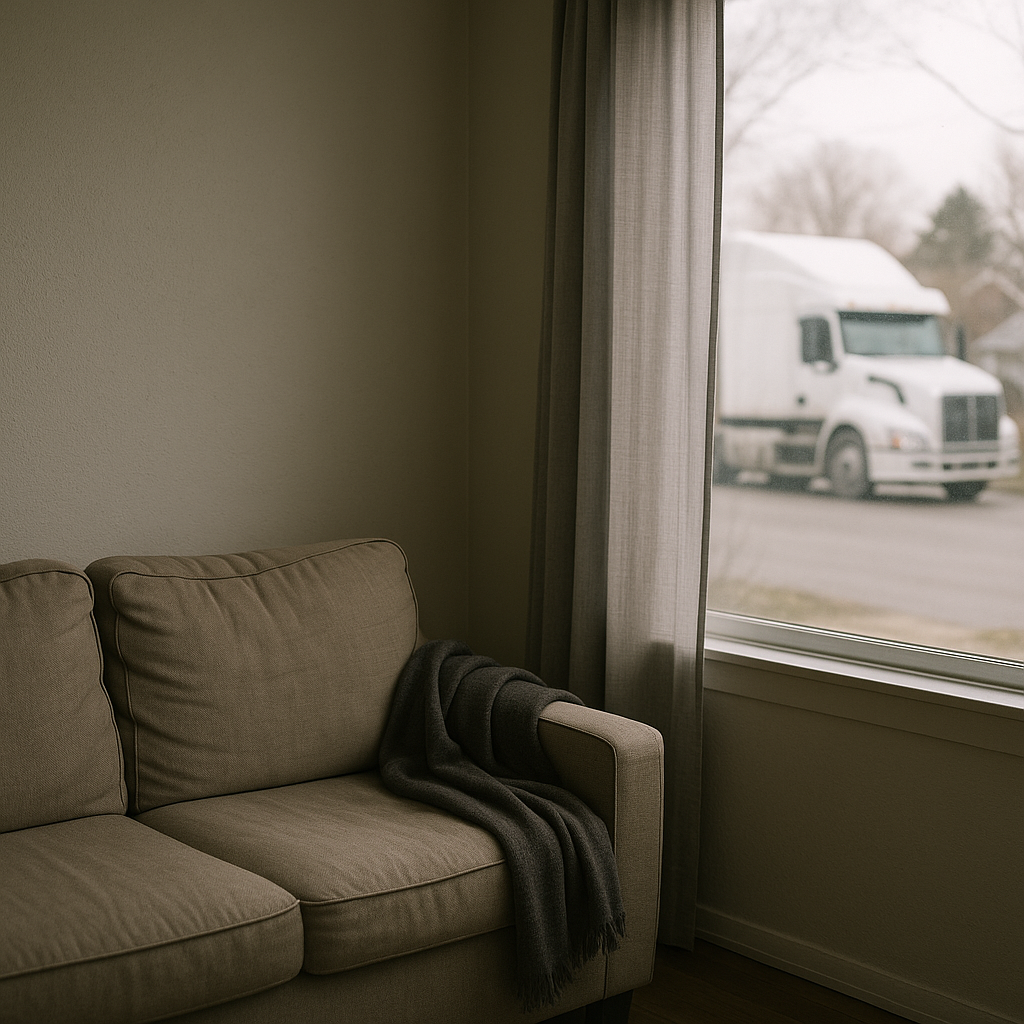
Social Isolation After Truck Injuries
Serious truck injuries can drastically alter an individual’s life, leading to profound changes that often result in social isolation. Understanding these impacts and the common adjustments required can help individuals, families, and communities better support those affected by such traumatic experiences.
How Life Changes After Serious Truck Injuries
When a person suffers a serious injury from a truck accident, there are immediate and long-term consequences that extend beyond physical damage. These changes can permeate various aspects of life, imposing significant emotional and social burdens.
Changes to Daily Routines
Truck injuries can necessitate considerable alterations to daily routines. What once seemed mundane or routine—such as getting out of bed, preparing meals, or commuting—may now require concerted efforts and assistance.
Physical limitations might restrict mobility, necessitating the use of crutches, wheelchairs, or other aids, affecting the ability to perform simple tasks independently. Rehabilitation sessions and medical appointments may dominate the day, leaving little room for leisure or social activities.
Impact on Relationships and Independence
The repercussions of a truck injury can severely strain personal relationships. Family members may take on caregiving roles, altering the dynamics and balance within the household. This shift can create tension, as both parties navigate new responsibilities and emotional landscapes.
Friends and colleagues may also struggle to adjust, sometimes withdrawing due to discomfort or uncertainty about how to interact. The injured person might feel like a burden or helpless, further exacerbating feelings of isolation and loss of independence.
Long-term Lifestyle Adaptations
For some, the road to recovery is long, requiring significant lifestyle adaptations. Chronic pain or lasting disabilities may necessitate the ongoing use of adaptive technologies or modifications to living spaces. Employment status can be affected, whether through reduced hours or the need to transition to entirely different roles, potentially impacting financial security.
These adaptations often result in altered social participation. Pre-injury hobbies or activities may become challenging or impossible, leading to the loss of community engagement.
Emotional and Practical Adjustments
The emotional toll of adapting to a new reality cannot be overstated. Those experiencing social isolation after truck injuries often face feelings of frustration, anxiety, and depression. Coping mechanisms are essential in managing these emotions, whether through therapy, support groups, or personal mindfulness practices.
Practically, finding ways to reconnect with one’s social network and exploring new means of engagement can mitigate feelings of isolation. Embracing technology to stay in touch or seeking out new communities more accommodating to new physical limitations can offer crucial social interaction.
Common Adjustments People Face
Living with the aftermath of truck injuries involves several common adjustments that serve as key components in the recovery and reintegration process.
Adapting Physical Spaces
One of the more immediate adjustments is modifying living spaces to accommodate new physical needs. Ramps, handrails, and other modifications may become necessary to navigate one’s home safely. These changes are vital in maintaining independence and reducing stress associated with daily activities.
Professional and Social Changes
For many, professional life undergoes transformation. This might mean negotiating flexible work arrangements or seeking new career paths that align better with changed capabilities. Maintaining professional relationships can be an anchor, offering a sense of normalcy and purpose.
Socially, embracing new activities or pursuing interests that align better with one’s current abilities can open doors to new friendships and communities, fostering a renewed sense of belonging.
Informational Closing Section
Social isolation following serious truck injuries is a complex and multifaceted issue that affects individuals on a deeply personal level. Recognizing the challenges and adjustments needed helps in understanding the holistic impacts beyond physical injuries. Respectfully supporting those affected, while honoring their experiences and autonomy, plays a crucial role in aiding recovery and fostering resilience in the face of adversity.