
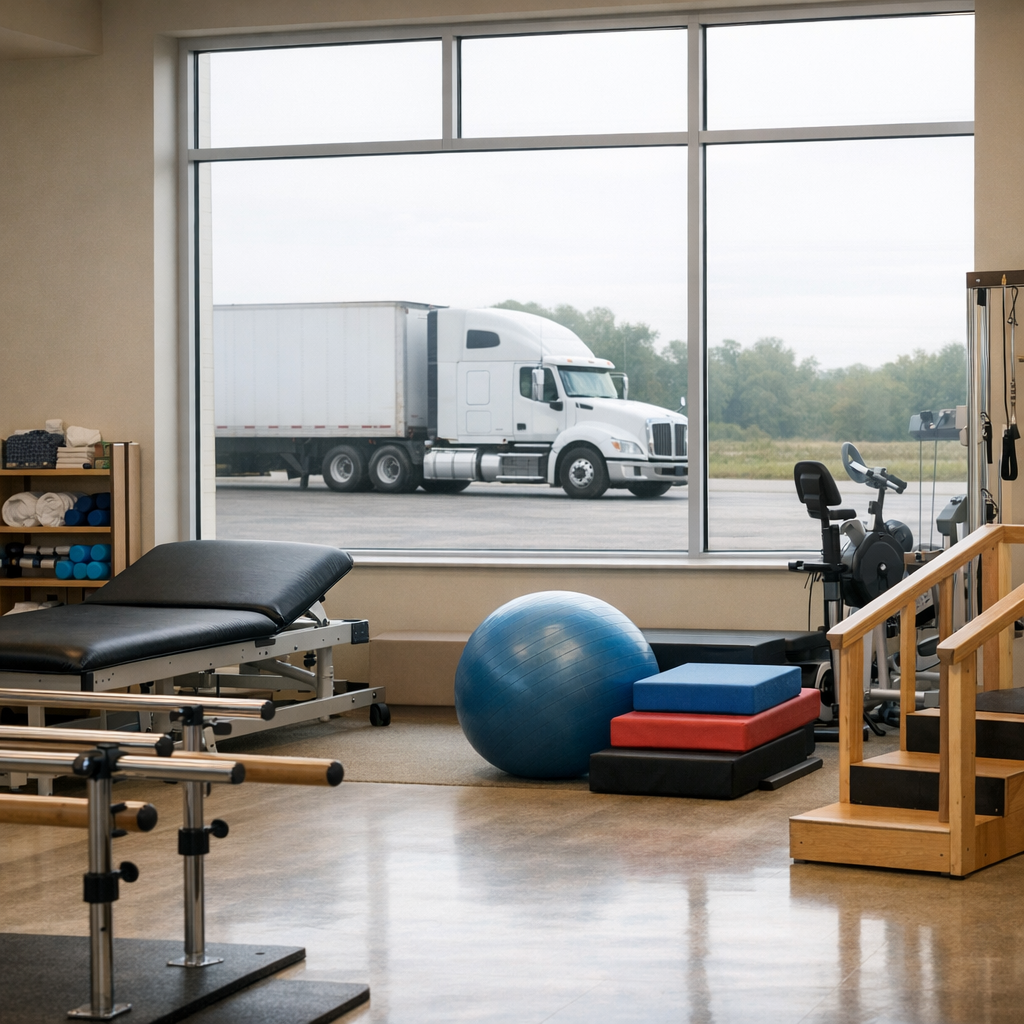
Unlocking Recovery: Long Term Rehab for Truck Injuries
Overview of the Treatment or Rehabilitation Approach
Long-term rehabilitation is a crucial aspect of the recovery process for individuals who have suffered injuries in truck-related accidents. This comprehensive approach focuses on facilitating physical, emotional, and psychological healing over an extended period. Given the severity of injuries typically associated with truck accidents, long-term rehab is tailored to address specific needs—promoting sustained recovery and optimizing the quality of life for those affected.
The primary goals of long-term rehabilitation include restoring functional abilities, alleviating pain, and supporting overall well-being. Expert teams of healthcare professionals work collaboratively to create personalized treatment plans that encompass a variety of therapies, ranging from physical and occupational therapy to mental health support.
When This Treatment Is Commonly Used After Truck Injuries
Long-term rehabilitation becomes necessary when individuals experience severe injuries that impair their ability to perform everyday tasks. Injuries from truck accidents often include traumatic brain injuries, spinal cord injuries, fractures, and soft tissue damage. Such conditions can have lasting impacts, making prolonged rehabilitation essential to regain independence and function.
Typically, long-term rehab is recommended when initial emergency or acute care treatment has addressed life-threatening issues, and the focus shifts to building strength, increasing mobility, and developing coping strategies. The severity and type of injury, along with the individual’s baseline health and personal goals, influence the decision to pursue extended rehabilitation.
What the Treatment Process Involves
The long-term rehabilitation process involves a multi-faceted approach that addresses various aspects of recovery:
– Physical Therapy: Aims to improve mobility, strength, and overall physical function. Therapists design exercise regimes to enhance muscular endurance and flexibility, essential for individuals recovering from truck-related injuries.
– Occupational Therapy: Focuses on enabling individuals to perform daily activities, such as dressing, cooking, or working. This therapy is tailored to help patients adapt to their physical limitations, ensuring they regain independence.
– Mental Health Support: Emotional and psychological support is crucial for dealing with trauma and anxiety resulting from accidents. Counseling and therapy sessions help patients process their experiences and develop coping mechanisms.
– Pain Management: A critical aspect of rehab, involving both medication and alternative therapy options like acupuncture and massage, which help manage chronic pain that can arise from severe injuries.
– Rehabilitation Nursing: Nurses play a vital role, offering continuous care, education, and support throughout the rehab journey. They coordinate treatment plans and assist with medical needs during the recovery process.
Recovery Expectations and Timelines
Recovery in long-term rehabilitation varies significantly among individuals. Factors such as the type and severity of the injury, pre-existing health conditions, and patient motivation all influence outcomes. Initially, progress might be slow and challenging, but gradual improvements are generally expected.
The timeline for recovery is often undetermined and can range from several months to years. For instance, recovery from traumatic brain injuries might take longer compared to fractures, which might heal within months but still require ongoing therapy to restore full function.
The overarching expectation is to foster a gradual return to daily activities and, where possible, employment. Continuous assessment ensures that treatment plans evolve in response to the patient’s progress, enabling targeted interventions that support optimal recovery.
Variations in Treatment Plans
Treatment plans in long-term rehabilitation are highly individualized. They can vary based on numerous factors, including:
– Type of Injury: Rehabilitation for spinal cord injuries is different from brain injuries, necessitating specialized approaches and adaptations.
– Patient Age and Health Status: Older patients or those with pre-existing conditions may require altered plans that accommodate slower recovery rates or additional health concerns.
– Personal Goals: Rehabilitation is often designed around what the patient wishes to achieve, whether it’s returning to work, engaging in hobbies, or achieving certain physical milestones.
Factors That Influence Recovery Progress
Several factors can impact the pace and success of long-term rehab:
– Patient Engagement: Active participation and commitment are key drivers of success, impacting how effectively the patient progresses through rehabilitation programs.
– Support Systems: Family and community support can significantly enhance recovery, providing emotional motivation and practical assistance.
– Access to Resources: Availability of specialized care, equipment, and technologies can streamline the rehab process, offering better outcomes.
– Medical Complications: Complications or setbacks, such as infections or secondary injuries, can delay recovery times, requiring adjustments to treatment plans.
A Neutral, Informational Closing Section
In conclusion, long-term rehabilitation for truck injuries is a complex yet indispensable process that facilitates a return to functionality and improves life quality. Each patient’s journey through long-term rehab is unique, guided by personalized plans and collective medical expertise. By understanding the multifaceted elements of such comprehensive care, patients and healthcare providers can work together toward meaningful and lasting recovery.