
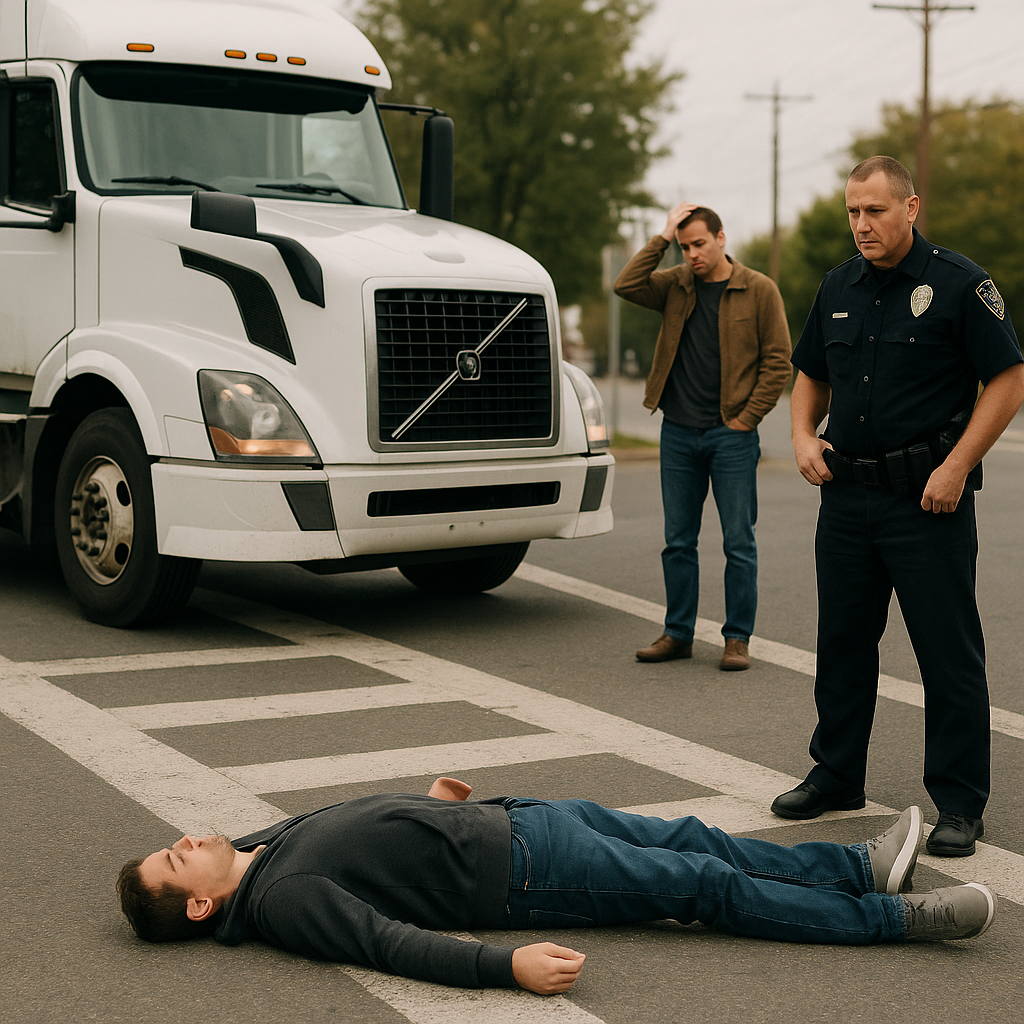
What happens if a truck accident involves pedestrians
Introduction to fault and responsibility in truck accidents
When a pedestrian is struck in a truck-related crash, responsibility is rarely assumed based on the size of the vehicle alone. Fault is typically assessed by looking at right-of-way rules, visibility, speed, and driver behavior, along with whether any other person or entity contributed to the conditions that led to the impact. Because commercial trucking involves multiple layers of oversight, liability can extend beyond the driver.
How fault is typically evaluated in this type of situation
Investigators and insurers generally analyze what each party knew or should have known and whether they acted reasonably under the circumstances. A central question is often whether the pedestrian was where they were expected to be (such as within a crosswalk or obeying signals) and whether the truck driver responded appropriately to roadway conditions.
Key factors that influence who may be responsible
Common factors include:
– Right-of-way and traffic controls (crosswalk markings, walk signals, turn arrows)
– Speed and stopping distance, especially in congested areas
– Visibility (lighting, weather, blind spots, obstructed sightlines)
– Driver conduct (distraction, fatigue, impairment, failure to yield, unsafe turns)
– Pedestrian behavior, such as crossing outside a crosswalk, entering suddenly, walking against a signal, distraction, or low-visibility clothing at night
These pedestrian factors do not automatically bar recovery, but they may affect a pedestrian liability truck accident analysis under a state’s comparative fault rules.
How different parties can share or shift liability
Depending on the facts, responsibility may involve:
– The truck driver (operational decisions and in-the-moment driving choices)
– The trucking company (hiring, training, scheduling, supervision, maintenance policies)
– A manufacturer (defective brakes, steering, or other components)
– A maintenance contractor (improper repairs or missed inspections)
– A third-party driver (creating a chain reaction or forcing evasive maneuvers)
– A government entity (road design, signage, signals, crosswalk markings—often with special notice requirements)
How evidence is used to determine fault
Truck cases often turn on records beyond a standard crash report, including driver logs, dispatch communications, onboard data recorders, dash-cam footage, inspection reports, and maintenance history. Witness statements, surveillance video, and scene measurements can also clarify timing, lines of sight, and signal phases.
Common complications in determining liability
These claims can be complex due to multiple responsible parties, overlapping state and federal trucking regulations, and higher-limit commercial insurance. Fault may be disputed when visibility is limited, the pedestrian’s path is unexpected, or road design contributes to confusion.
General awareness of how fault can impact outcomes and next steps
Fault findings can affect whether compensation is available and how much, particularly in comparative fault states. Potential damages may include medical expenses, lost income, and longer-term rehabilitation needs, depending on the circumstances.
Closing informational summary (neutral and balanced)
A pedestrian-involved truck crash is typically evaluated through a detailed review of right-of-way rules, behavior, visibility, and vehicle condition. Because more than one party may have contributed, outcomes often depend on how well the available evidence explains what happened and why.