
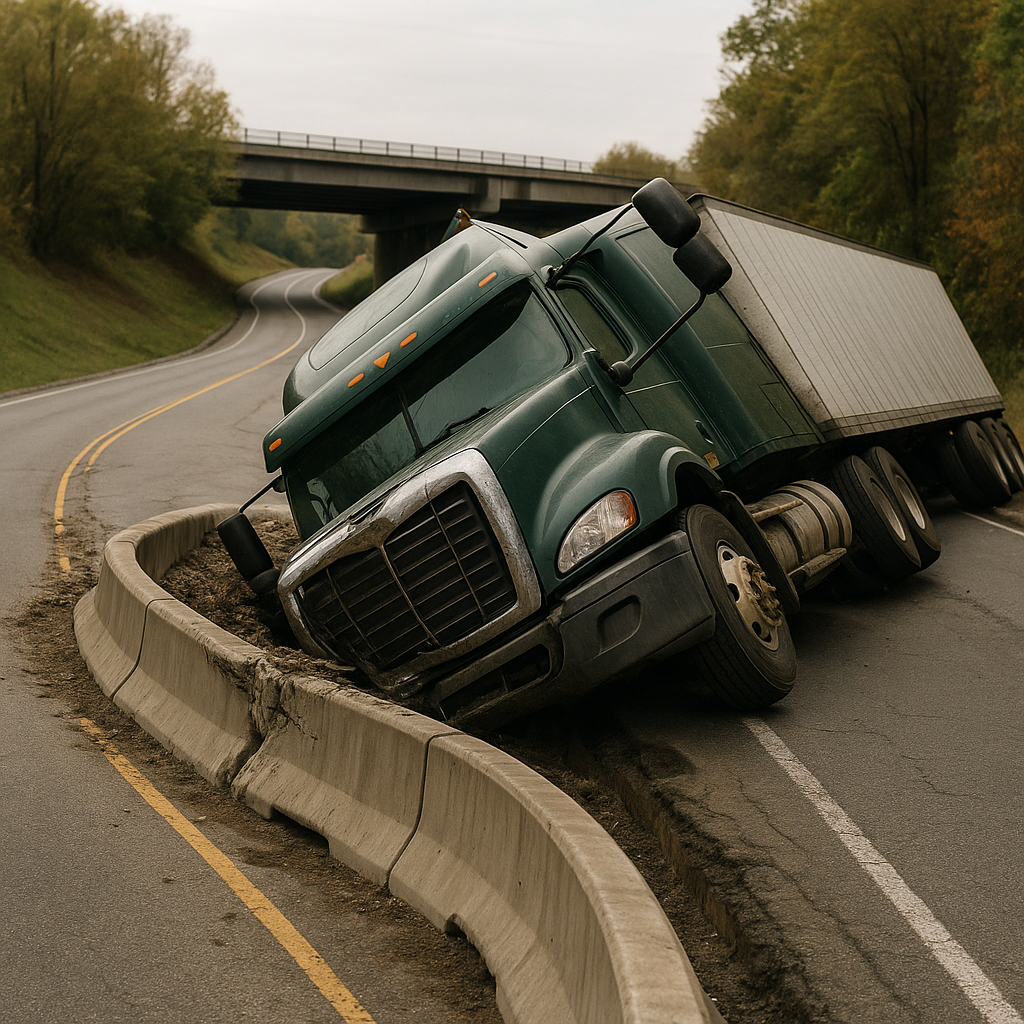
What happens if poor road design caused a truck accident — Road design liability truck accident
Introduction to fault and responsibility in truck accidents
Truck crashes are often assumed to stem from driver error, but roadway conditions can also contribute. In a road design liability truck accident, the key question is whether unsafe road design or maintenance created a hazard that made the collision more likely or more severe. Liability analysis typically focuses on how the crash happened, what risks were foreseeable, and whether responsible parties met applicable safety standards.
How fault is typically evaluated in this type of situation
Fault is usually assessed by comparing each involved party’s actions (or omissions) to what a reasonably careful party would have done under similar circumstances, along with any relevant engineering standards, regulations, and maintenance policies.
Key factors that influence who may be responsible
Common roadway-related factors include:
– Inadequate signage or warnings (sharp curves, steep grades, merging zones)
– Poor sight distance due to road geometry, barriers, or vegetation
– Unsafe lane widths, shoulder drop-offs, or abrupt pavement edges
– Improper drainage leading to standing water or icy patches
– Confusing interchange design, misleading markings, or missing reflectors
– Work-zone layout issues (taper length, channelization, detour design)
How different parties can share or shift liability
A road design liability truck accident may involve multiple entities. Potentially responsible parties can include government agencies (design, approval, upkeep), contractors (construction or repairs), engineering firms (design or studies), and also the truck driver or carrier (speed choice, route selection, vehicle condition, training). Liability may be shared if several factors combined to cause the crash.
How evidence is used to determine fault
Evidence often focuses on whether the road feature was defective or unreasonably dangerous and whether it contributed to the collision. Useful materials may include crash reports, photographs/video of the scene, measurements of curves/grades/sightlines, maintenance and inspection records, prior complaint histories, work-zone plans, event data recorder (black box) information, dashcam footage, and expert analysis from accident reconstruction and roadway engineers.
Common complications in determining liability
These claims can be complex due to technical design standards, changing roadway conditions, and questions about notice (whether the responsible entity knew or should have known of the hazard). Government-related claims may also involve special procedures, shorter deadlines, or immunity defenses that vary by location.
General awareness of how fault can impact outcomes and next steps
Fault allocation can affect insurance coverage, claim strategy, and potential recovery. Early documentation matters because road conditions may change quickly after a crash (repairs, weather, construction). Preserving records and identifying all potentially involved parties can be important where roadway defects are suspected.
Closing informational summary (neutral and balanced)
A road design liability truck accident is evaluated by analyzing how roadway design or maintenance interacted with driver decisions and vehicle factors. Because trucking collisions can involve overlapping causes, investigations often look beyond the driver to include agencies and contractors connected to the roadway. Careful evidence collection and a structured fault analysis help clarify whether poor road design played a meaningful role.