
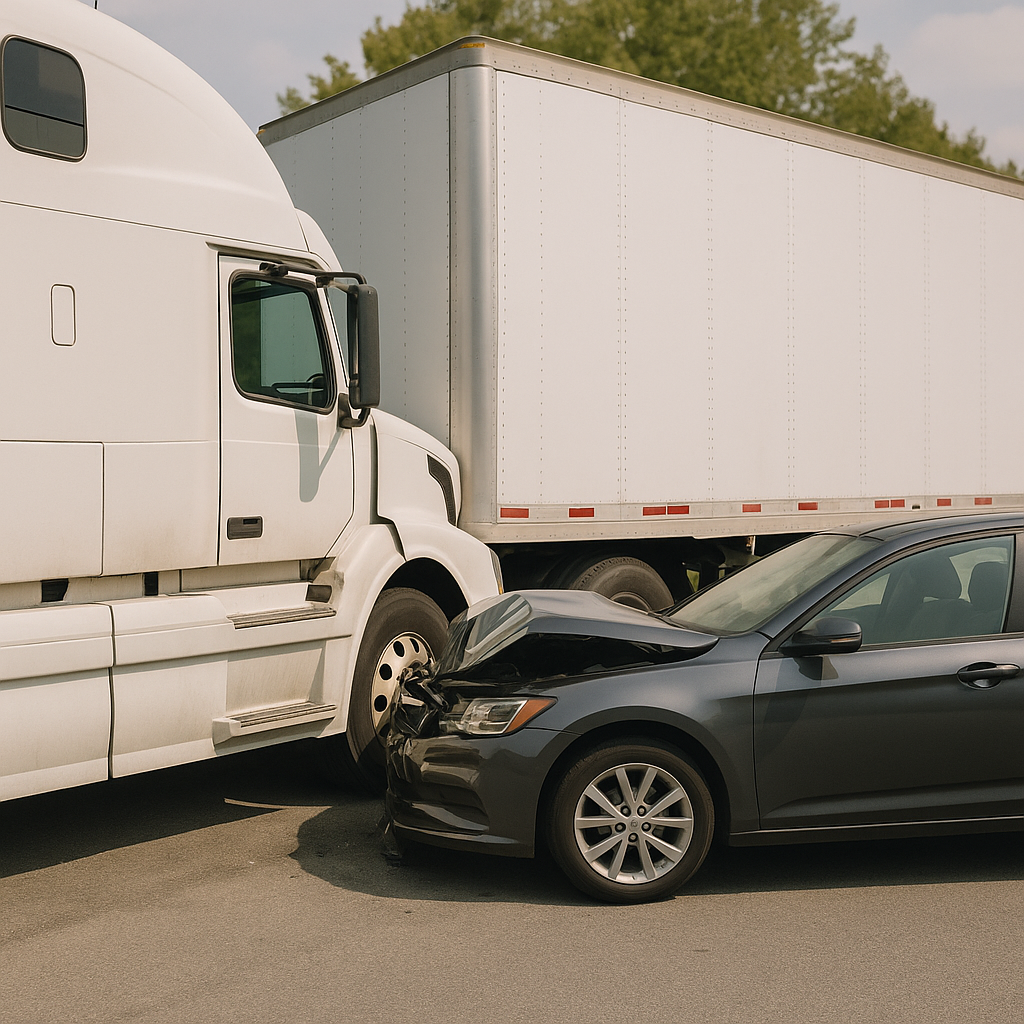
What is comparative vs contributory negligence in truck accidents
Introduction to fault and responsibility in truck accidents
Truck accident claims often turn on fault—who acted unreasonably, how that conduct contributed to the crash, and how responsibility should be divided. The phrase comparative vs contributory truck accident laws refers to two different legal systems states use to handle situations where more than one party may share blame. The difference can affect whether compensation is available at all and, if so, how much.
How fault is typically evaluated in this type of situation
In most crashes, fault is evaluated by looking at whether a party breached a duty of care (for example, driving safely or maintaining equipment) and whether that breach caused damages. Investigators, insurers, and courts may assign a percentage of responsibility to each party based on the evidence.
Key factors that influence who may be responsible
Common factors that can shape fault findings in truck collisions include:
– Speed, following distance, lane changes, and right-of-way decisions
– Driver condition (fatigue, distraction, impairment)
– Compliance with trucking safety rules and hours-of-service limits
– Vehicle condition, inspections, and repair history
– Cargo securement, load distribution, and weight compliance
– Road conditions and visibility
How different parties can share or shift liability
Truck accidents can involve multiple layers of responsibility. Depending on the facts, fault may be shared among a truck driver, a trucking company, a maintenance provider, a cargo loader/shipper, a vehicle or parts manufacturer, or other motorists. In some cases, one party may argue another’s conduct was the primary cause, which can shift the fault allocation.
How evidence is used to determine fault
Fault decisions are typically evidence-driven. Sources may include police reports, photos and measurements from the scene, witness statements, dashcam or traffic video, electronic logging device (ELD) data, “black box” event data recorders, driver qualification and training files, maintenance logs, and cargo documentation. When accounts conflict, technical analysis (such as crash reconstruction) may be used to compare timelines, speeds, and braking.
Common complications in determining liability
Liability can be harder to pin down when evidence is missing or overwritten, when multiple vehicles are involved, or when federal and state trucking rules intersect. Disputes also arise over whether a driver was an employee or independent contractor, whether a mechanical issue existed before the crash, or whether a third party contributed (for example, unsafe merging or sudden stops).
General awareness of how fault can impact outcomes and next steps
Under comparative negligence, an injured person may still recover damages if partially at fault, but the award is reduced by their percentage (and in “modified” states, recovery may stop at a threshold like 50% or 51%). Under contributory negligence, even a small share of fault can bar recovery. These frameworks shape negotiations, settlement value, and trial risk.
Closing informational summary (neutral and balanced)
In a comparative vs contributory truck accident analysis, the central question is how the law treats shared fault. Comparative systems usually reduce compensation based on a fault percentage, while contributory systems may eliminate compensation if the injured party contributed at all. Because truck crashes often involve several potential responsible parties and complex evidence, the specific facts and the state’s negligence rule can significantly influence outcomes.