
What is fleet liability in trucking accidents
Introduction to fault and responsibility in truck accidents
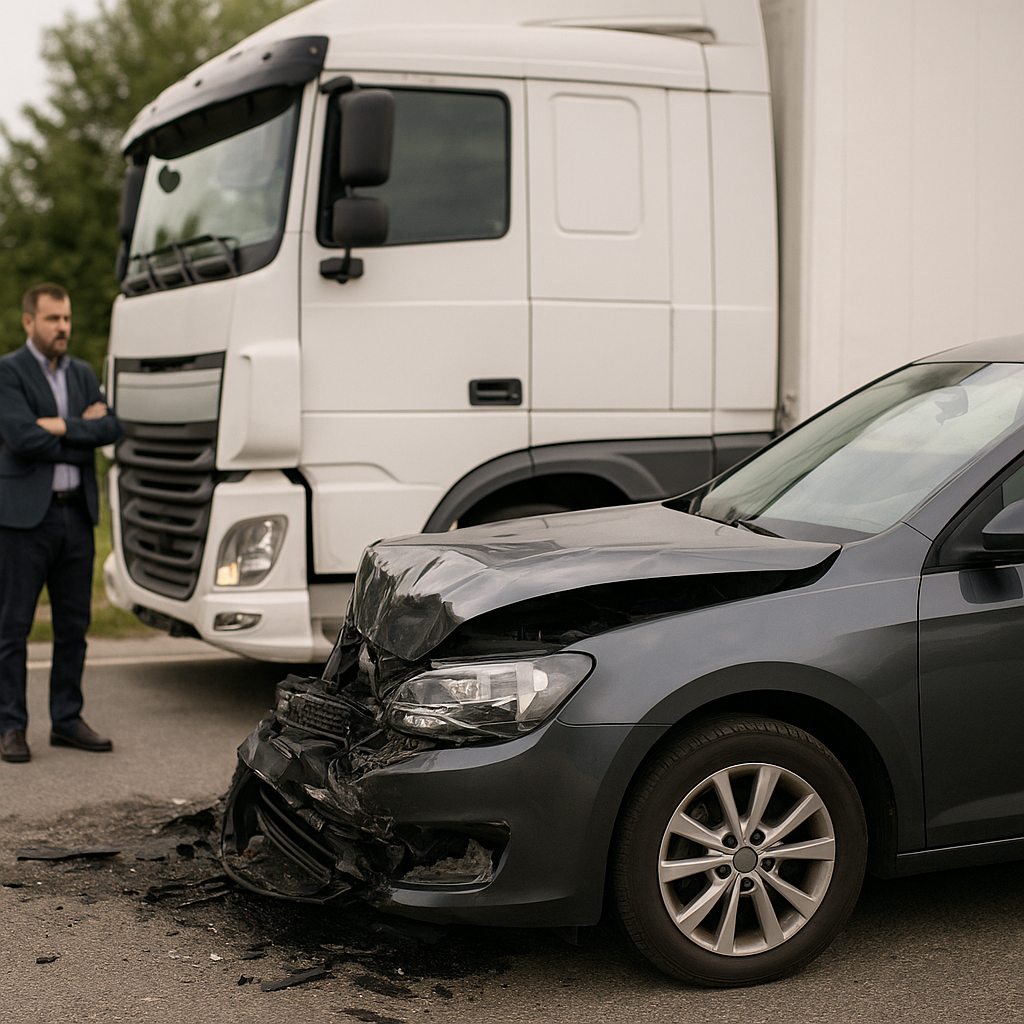
When a fleet liability truck accident occurs, the investigation often looks beyond the truck driver’s actions and into whether company-level decisions played a role. “Fleet liability” generally refers to a trucking company’s potential legal responsibility for a crash involving a commercial vehicle it owns, operates, dispatches, or manages. In practice, it reflects the idea that safety outcomes can be shaped by maintenance programs, scheduling demands, training standards, and supervision—not only by what happens behind the wheel.
How fault is typically evaluated in this type of situation
Fault in trucking collisions is usually assessed by examining whether a party failed to meet a reasonable safety standard and whether that failure contributed to the crash. For fleet-related claims, the question often becomes: did the company’s policies, oversight, or operational choices create conditions that increased risk?
Key factors that influence who may be responsible
Common fleet-level factors reviewed after a crash include:
– Vehicle inspection and maintenance history (brakes, tires, lights, required inspections)
– Driver qualification and training records (licensing, prior violations, onboarding)
– Compliance with hours-of-service rules and fatigue management
– Dispatch instructions, delivery timelines, and workload expectations
– Cargo loading and securement practices, including weight compliance
How different parties can share or shift liability
A fleet liability truck accident may involve multiple responsible parties depending on the facts. The driver may be examined for driving errors, while the trucking company may be reviewed for supervision or safety management. Liability can also extend to third parties such as maintenance contractors, shippers/loaders, freight brokers (in some circumstances), or manufacturers if a defective component contributed.
How evidence is used to determine fault
Determining fault often relies on documentation and data, including driver logs, electronic logging device (ELD) records, dispatch communications, inspection reports, repair invoices, onboard “black box” data, weigh tickets, and cargo documentation. Police reports, witness statements, and crash-scene analysis may be used alongside these company records to evaluate whether operational practices aligned with safety requirements.
Common complications in determining liability
Fleet cases can be complex due to multiple insurance policies, layered contracts, and questions about employment status (employee vs. independent contractor). Record retention, incomplete documentation, or differing accounts of scheduling pressure and instructions can also complicate conclusions.
General awareness of how fault can impact outcomes and next steps
How fault is allocated can influence which insurance coverage applies, what evidence becomes central, and whether more than one party contributes financially. Outcomes vary widely based on the specific facts and available records.
Closing informational summary (neutral and balanced)
Fleet liability in trucking accidents focuses on whether a company’s maintenance, hiring, training, scheduling, or safety practices contributed to a crash. Because commercial operations involve many moving parts, liability may be shared among several parties, and careful evidence review is typically central to understanding fault in a fleet liability truck accident.