
What Is Negligent Entrustment in Truck Accident Cases?
Introduction to fault and responsibility in truck accidents
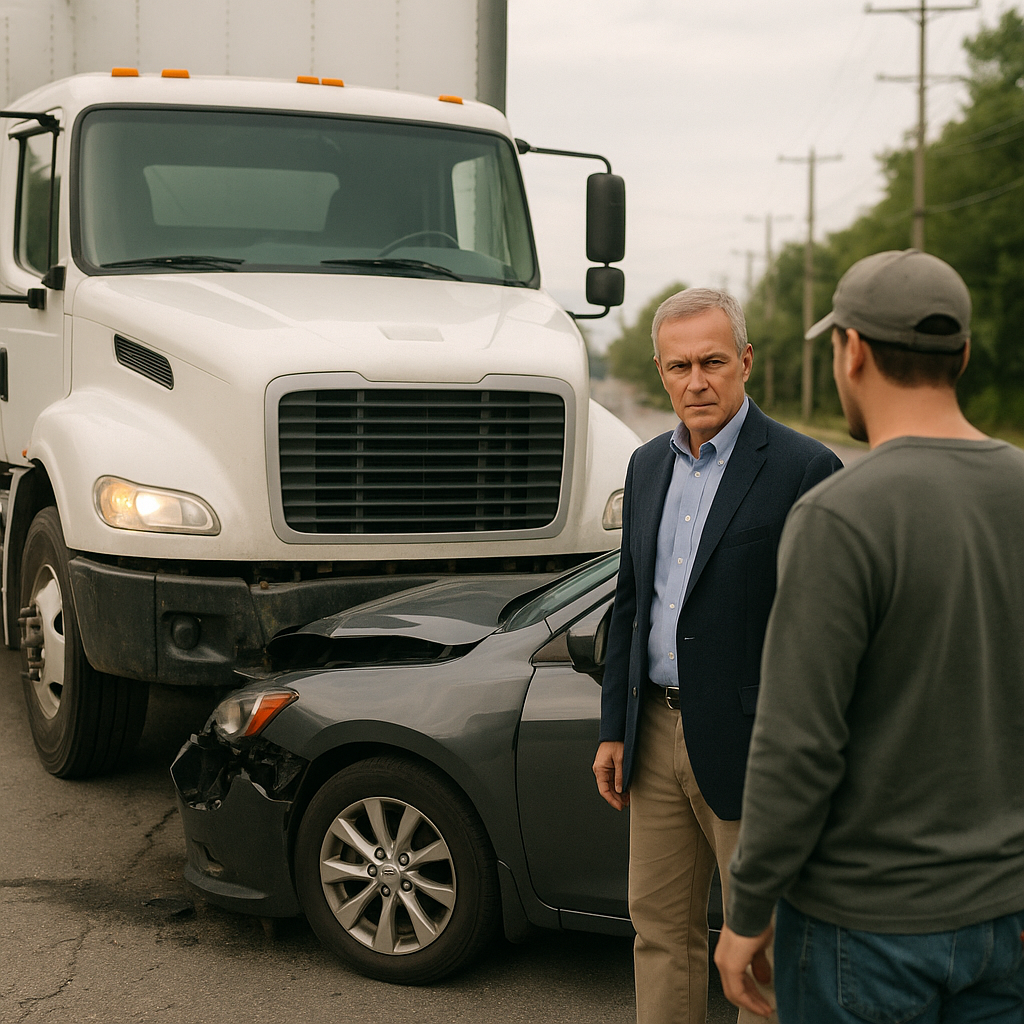
Truck accidents often involve more than a simple question of whether a driver made a mistake. Because commercial trucking relies on companies, vehicle owners, and sometimes third-party contractors, responsibility may extend to the entities that put a truck and driver on the road. One concept that can apply is negligent entrustment. In a negligent entrustment truck accident, liability may be alleged not only against the driver, but also against the party that allowed an unsafe or unfit driver to operate the truck.
How fault is typically evaluated in this type of situation
Fault is generally evaluated by looking at whether each involved party acted reasonably under the circumstances. With negligent entrustment, the focus shifts to the decision to “entrust” the vehicle—meaning to provide access, permission, or continued use of the truck. A key issue is whether the trucking company or owner knew or should have known the driver posed a foreseeable risk.
Key factors that influence who may be responsible
Common factors considered in negligent entrustment allegations include:
– Whether the driver had a valid commercial license and appropriate endorsements
– Prior crashes, safety violations, or a pattern of reckless driving
– Known impairment concerns (for example, substance-related issues)
– Inadequate training or failed competency evaluations
– Prior complaints, incident reports, or disciplinary history
– Whether the company ignored red flags during hiring or retention
How different parties can share or shift liability
Responsibility may be shared among multiple parties, depending on the facts. The driver may still be responsible for operational decisions, while the company or owner may face scrutiny for hiring, supervising, retaining, or granting access to the vehicle. In some situations, liability arguments may also involve contractors, leasing companies, or maintenance providers, depending on who controlled key safety decisions.
How evidence is used to determine fault
Evidence commonly used includes driver qualification files, motor vehicle records, employment and training records, dispatch logs, drug and alcohol testing documentation, prior inspection and violation history, and internal communications. Police reports, witness statements, and electronic data (such as logging devices or telematics) may also help clarify what was known and when.
Common complications in determining liability
Complications can arise when records are incomplete, responsibilities are spread across multiple companies, or the driver is classified as an independent contractor. Disputes may also center on whether warning signs were strong enough that the company “should have known” the driver was unsafe.
General awareness of how fault can impact outcomes and next steps
Fault findings can influence insurance coverage discussions, settlement negotiations, and how damages are allocated. When negligent entrustment is plausibly supported, it may broaden the range of potentially responsible parties, which can affect the overall direction of a claim.
Closing informational summary (neutral and balanced)
A negligent entrustment truck accident claim generally examines whether a company or owner made an unreasonable decision by allowing an unsafe driver to operate a truck. Because truck crashes can involve layered responsibilities, liability analysis often depends on detailed records and how foreseeability is assessed. Outcomes vary by jurisdiction and facts, and determining fault typically requires careful review of all contributing parties and evidence.