
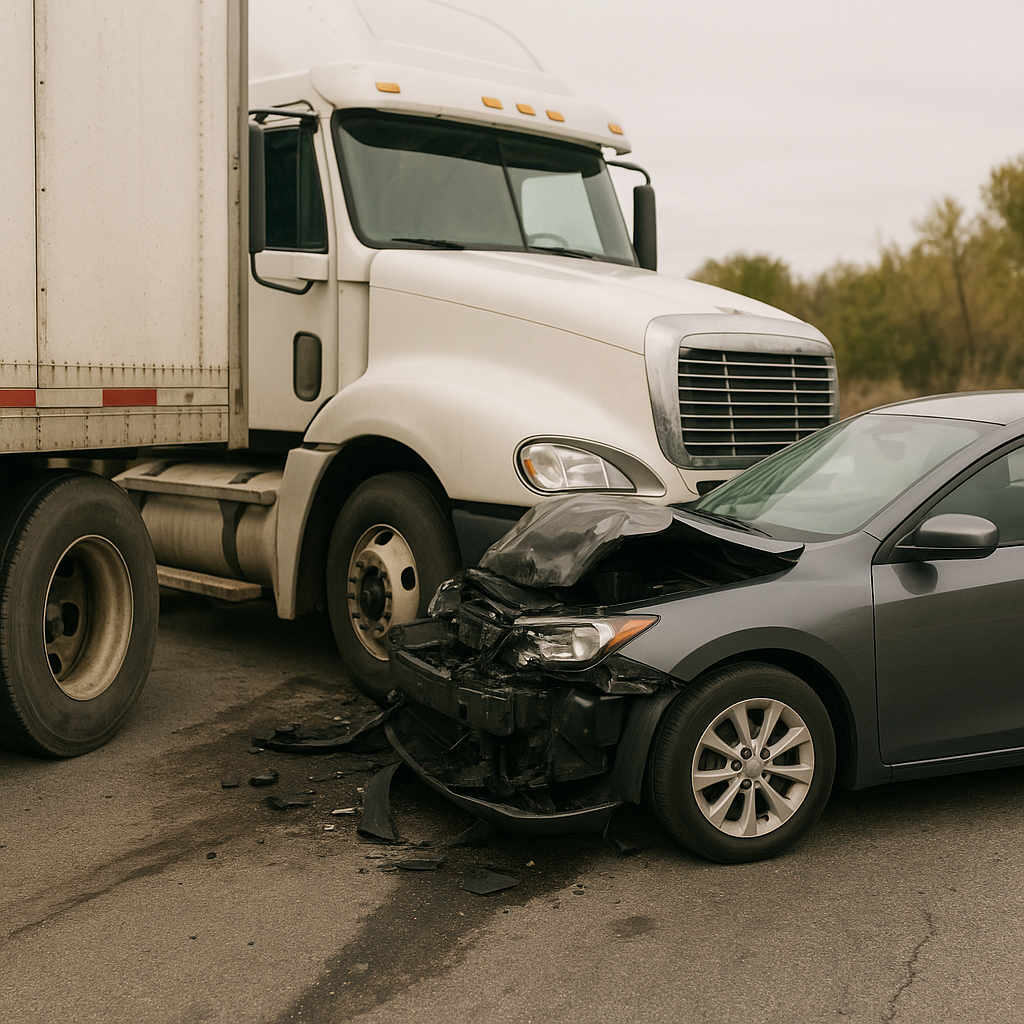
What Is Proximate Cause in Truck Accident Cases
Introduction to fault and responsibility in truck accidents
Truck accidents often involve more than one potential contributing factor, from driver decisions to company policies and equipment conditions. When people discuss “fault,” they are usually referring to whether someone’s actions (or failure to act) legally contributed to the crash and resulting injuries. A key part of that analysis is proximate cause—the legal link between a specific wrongdoing and the harm that followed. In simple terms, proximate cause truck accident questions ask whether the harm was a foreseeable, legally recognized result of the conduct.
How fault is typically evaluated in this type of situation
Fault is generally assessed by examining what happened before, during, and after the crash and comparing that conduct to applicable duties, rules, and safety standards. Importantly, a party’s conduct must be more than just close in time to the collision; it must be connected in a legally meaningful way. Courts and insurers often focus on foreseeability: whether the type of harm that occurred was a predictable outcome of the behavior at issue.
Key factors that influence who may be responsible
Several elements often shape responsibility determinations, including:
– Driver behavior: speeding, distraction, impairment, or violating hours-of-service limits
– Company practices: scheduling pressure, training quality, supervision, and safety compliance
– Vehicle condition: inspection history, brake and tire maintenance, and repair records
– Cargo issues: improper loading, securement failures, and weight violations
– Road and weather context: visibility, signage, and roadway design (where relevant)
How different parties can share or shift liability
Truck crashes may involve overlapping responsibilities. The driver may be implicated for operational errors, while a trucking company may face scrutiny for policies or oversight. Separate entities—such as a maintenance contractor, shipper/loader, or parts manufacturer—may also be evaluated if their actions contributed to the chain of events. In some situations, an independent, unexpected event may “break the chain” of proximate cause if it becomes the primary reason the crash occurred.
How evidence is used to determine fault
Evidence typically includes police reports, witness statements, vehicle damage patterns, electronic logging device (ELD) data, onboard telematics, dashcam video, inspection and maintenance records, cargo documentation, and, when applicable, crash reconstruction analysis. This material helps connect conduct to outcome and assess proximate cause.
Common complications in determining liability
Complications can arise when multiple contributing factors exist, records are incomplete, or responsibility is distributed across several parties. Disagreements may also occur about what was foreseeable and whether an intervening act changed the causal chain.
General awareness of how fault can impact outcomes and next steps
Fault and proximate cause findings often influence insurance coverage decisions, settlement discussions, and whether claims extend beyond the driver to additional responsible parties. Outcomes vary based on jurisdiction and specific facts.
Closing informational summary (neutral and balanced)
Proximate cause in truck accident cases is the legal concept that ties a specific act or omission to crash-related harm in a way the law recognizes. Because trucking incidents can involve drivers, companies, contractors, and manufacturers, proximate cause and fault are usually determined through careful review of evidence and foreseeability rather than assumptions about blame.