
What Limitations Remain After Truck Injury Recovery
Recovering from a truck-related injury is often a challenging journey. While many focus on the physical healing process, understanding the potential lasting limitations is crucial. This article explores what limitations may remain after such an injury and why they are significant.
Why People Commonly Ask This Question
After a severe accident, individuals often wonder what life will look like once they have physically recovered. Understanding the scope of recovery and potential limitations helps in setting realistic expectations and planning for the future.
People frequently ask this question because injuries from truck accidents can be severe and have long-term consequences. Knowing what to expect can aid in emotional adjustment and long-term planning. It’s a complex issue, influenced by various factors including the severity of injuries, the effectiveness of rehabilitation, and psychological impact.
Clear Explanation of the Issue
Context People May Not Realize
Truck injuries can result in a wide range of long-term effects, depending on the nature and severity of the accident. Even after medical treatment and rehabilitation, individuals may face lasting physical, psychological, and lifestyle changes.
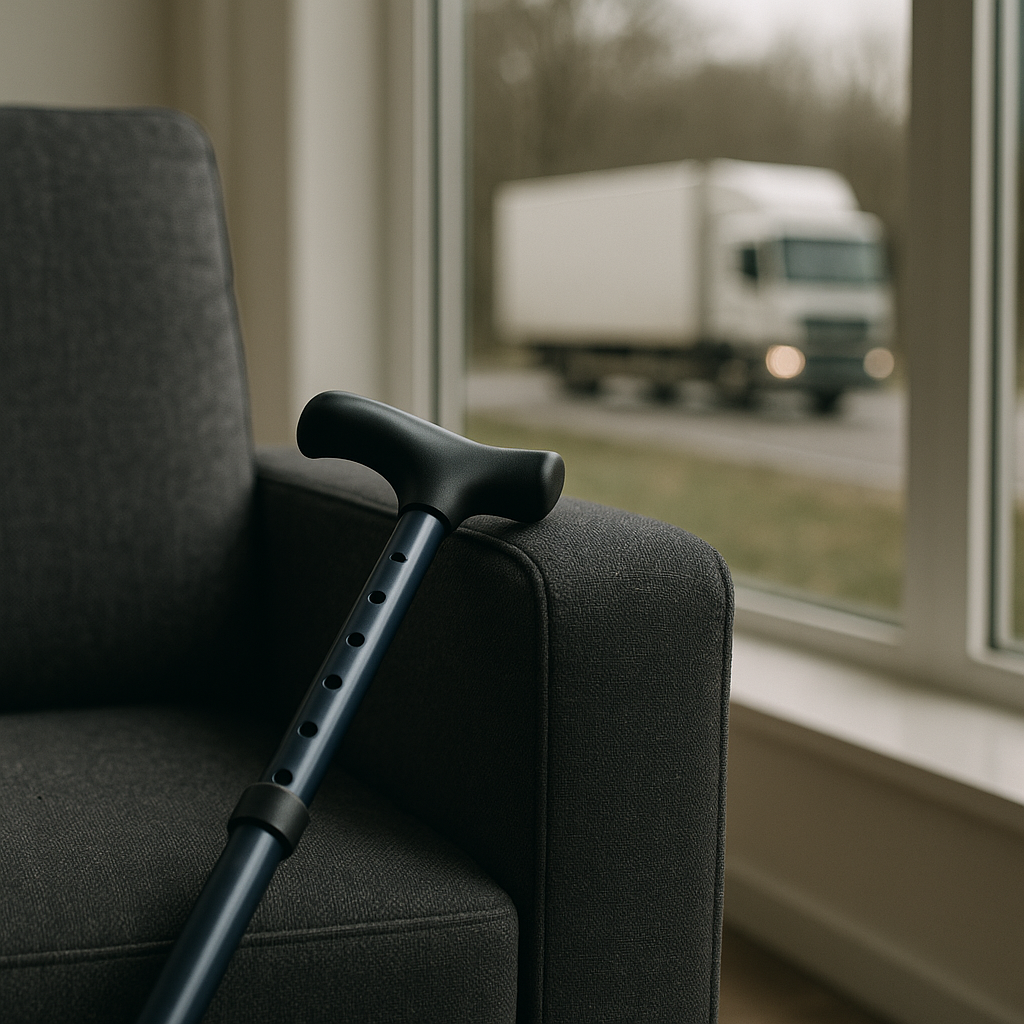
Physical limitations can include reduced mobility, chronic pain, or loss of function in certain areas of the body. These may require ongoing physical therapy or assistive devices. People might find themselves unable to perform tasks they once did effortlessly, such as lifting heavy objects or engaging in physical activities.
Psychologically, the trauma from the accident can lead to persistent anxiety, depression, or post-traumatic stress disorder (PTSD). This can affect daily life and interactions with others, sometimes requiring long-term therapy or counseling.
What People Often Think About Next
Once individuals grasp the potential physical and psychological limitations, they start considering lifestyle adjustments. Here are some common thoughts:
1. Work Capabilities: Many question their ability to return to their previous job, especially if it involves physical labor. Adjustments or retraining may be necessary to accommodate new restrictions.
2. Social Life: Concerns about participating in social activities arise, as some may fear that limitations will hinder enjoyment or interactions with others.
3. Independence: The ability to live independently, drive, or perform daily tasks without assistance is a primary concern. Assessing these aspects is crucial in planning post-recovery life.
Related Considerations
Additional aspects, like financial implications, also surface. Long-term medical needs or work adjustments could affect both personal finances and family dynamics.
With a clear understanding of these elements, individuals can better prepare for the road ahead, ensuring that the journey is navigated with awareness and anticipation. Recognizing the potential limitations helps align expectations with reality, supporting a smoother transition into life after recovery.
Common Misunderstandings
One common misunderstanding is assuming recovery leads to a complete return to pre-accident abilities. While many recover physically, some limitations may persist. Awareness of this can prevent feelings of frustration or failure.
Another misunderstanding is underestimating the emotional and psychological impact. Emotional recovery can be complex, necessitating attention and care similar to physical rehabilitation.
In summary, understanding the potential limitations after truck injury recovery is essential for planning and adjusting. By being informed, individuals can anticipate challenges and embrace strategies that promote a fulfilling life post-recovery.