
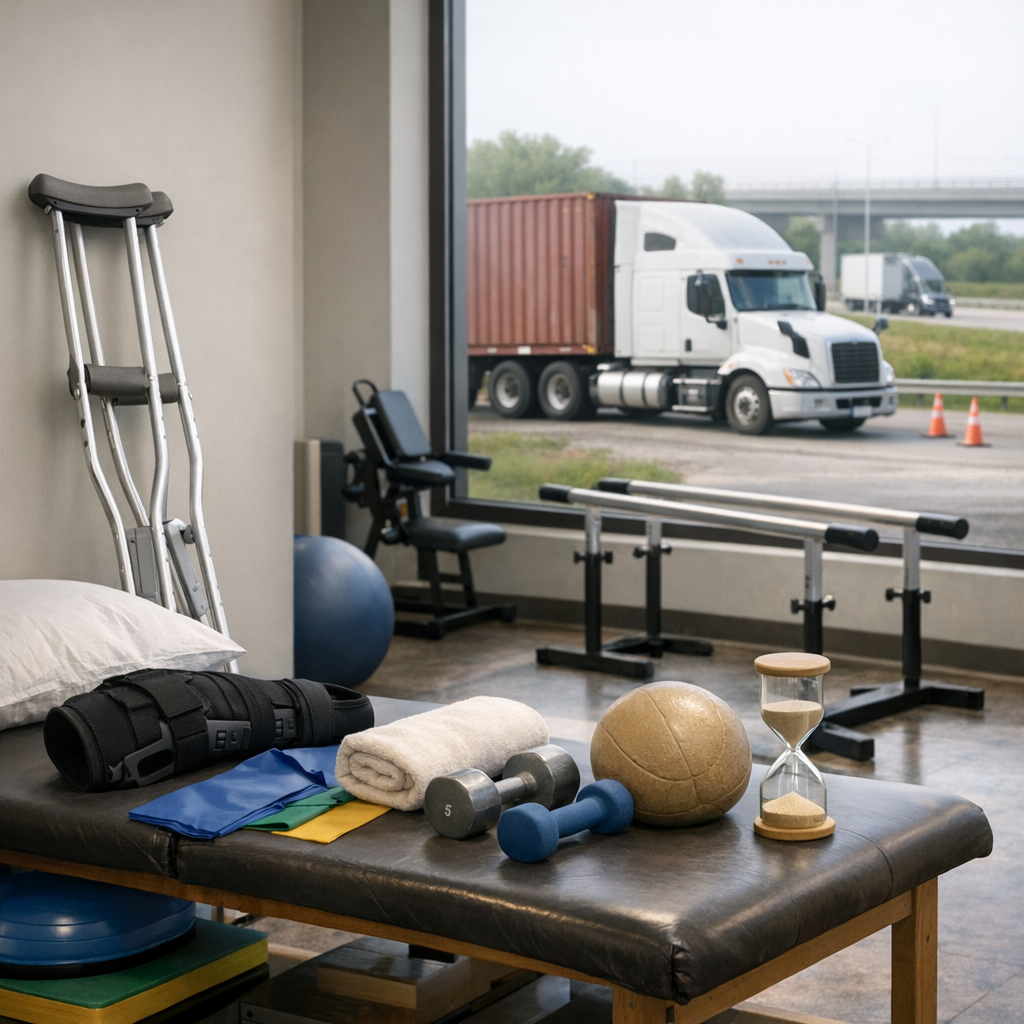
Rehabilitation Timelines After Truck Injuries
Truck-related injuries present unique challenges due to their severity and complexity. Understanding the rehabilitation process is crucial for effective recovery. This article will explore typical timelines and the various factors influencing rehabilitation after truck injuries.
Overview of the Treatment or Rehabilitation Approach
Rehabilitation after truck injuries typically involves a multidisciplinary approach. The process is designed to address both immediate needs and long-term recovery, incorporating physical therapy, occupational therapy, pain management, and sometimes psychological support.
Truck injuries often result in serious conditions like fractures, spinal injuries, or traumatic brain injuries. This necessitates comprehensive rehabilitation plans tailored to individual needs and aimed at restoring function, mobility, and quality of life.
When This Treatment is Commonly Used After Truck Injuries
Rehabilitation is most commonly initiated after the acute phase of medical treatment. Once life-threatening conditions are stabilized, and any necessary surgeries are completed, the rehabilitation phase begins. This phase is crucial for functional recovery and reducing complications associated with prolonged immobilization or disability.
What the Treatment Process Involves
The rehabilitation process is structured around several core components:
1. Assessment and Planning: A thorough evaluation by a rehabilitation team sets the foundation. This includes reviewing medical history, current health status, and personal goals to create a tailored treatment plan.
2. Physical Therapy: Focused on restoring strength, flexibility, and mobility, physical therapy is a key component. Exercises are designed to gradually challenge and improve the patient’s physical capabilities.
3. Occupational Therapy: This helps patients regain the ability to perform daily activities. It may involve retraining muscle use, cognitive rehabilitation for brain injuries, or adapting techniques to accommodate physical limitations.
4. Pain Management: Addressing chronic pain is vital. This can involve medication, therapeutic exercises, or alternative methods like acupuncture and biofeedback.
5. Psychological Support: Emotional and psychological aspects are important for holistic recovery. Counseling or therapy may be included to address issues like anxiety, depression, or trauma associated with the injury.
Recovery Expectations and Timelines
Recovery timelines for truck injuries can vary widely based on several factors. Generally, the process is divided into phases:
– Acute Phase (0-4 weeks): Focus is on pain management, stabilization, and beginning mobility. Early movement and interventions help prevent complications like muscle atrophy.
– Subacute Phase (1-3 months): Emphasis on increasing activity levels and starting more intensive physical and occupational therapy. Patients often see improvements in strength and functional abilities.
– Chronic Phase (3-12 months and beyond): Continued rehabilitation aims to fine-tune functional capabilities. Long-term rehabilitation may still be necessary, particularly for neurological injuries.
Variations in Treatment Plans
Rehabilitation plans can differ based on:
– Nature and Severity of the Injury: More severe injuries like spinal or traumatic brain injuries require longer, more intensive rehabilitation.
– Patient’s Health and Age: Younger, healthier individuals often recover more quickly than older or those with existing health conditions.
Factors That Influence Recovery Progress
Several factors can impact recovery timelines:
– Patient’s Commitment: Adherence to therapy and active participation can significantly affect outcomes.
– Support Systems: Family and social support play a critical role in recovery, providing motivation and assistance.
– Access to Resources: Availability and quality of rehabilitation services influence recovery positively.
– Pre-existing Health Conditions: Underlying medical issues like diabetes or heart disease can complicate and extend rehabilitation.
Conclusion
Rehabilitation after truck injuries is a complex, multifaceted process tailored to individual needs. While timelines can vary widely, understanding the general structure of rehabilitation and the factors impacting recovery is essential. This knowledge aids healthcare providers, patients, and families in navigating the rehabilitation journey, ensuring a more comprehensive and informed recovery process.