
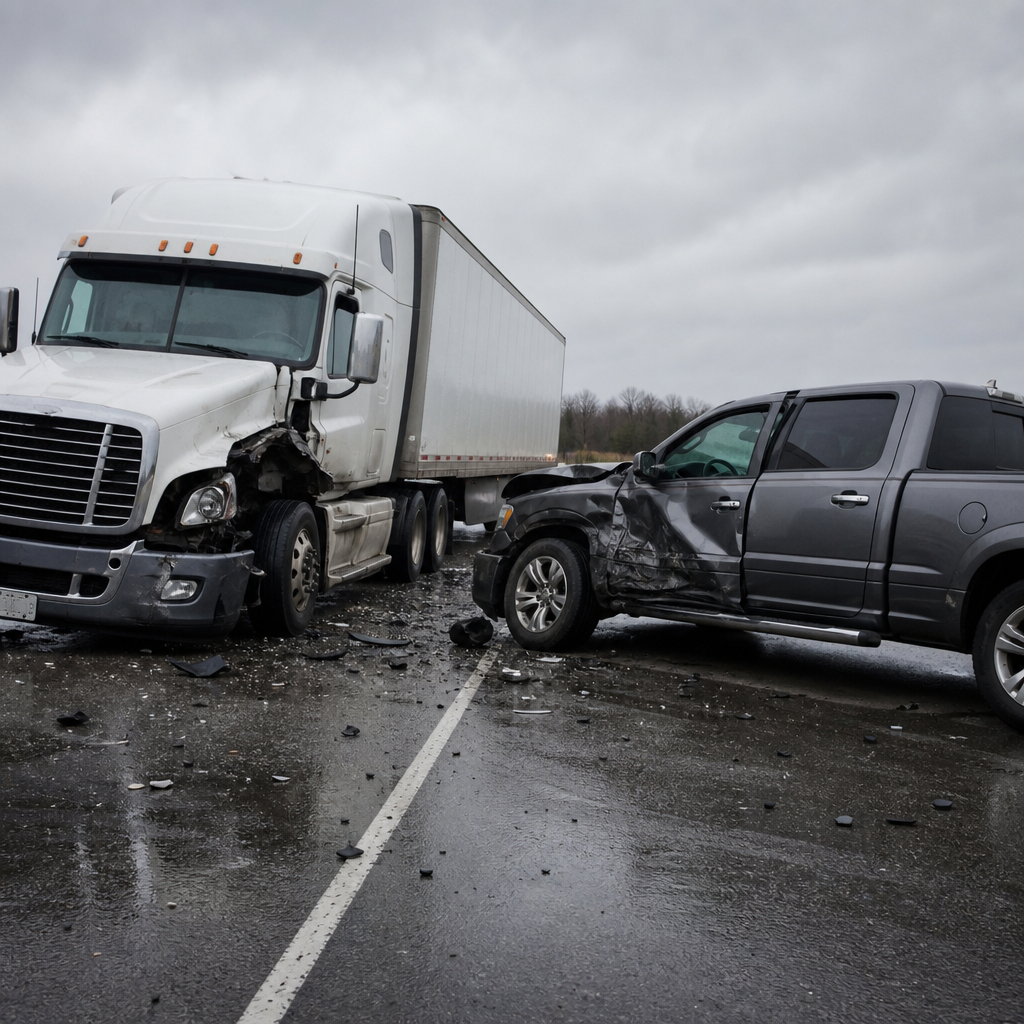
A semi truck accident can turn any routine day upside down. After the immediate shock, people find themselves dealing with everything from minor inconveniences to life-changing disruptions. Real details unfold with every passing hour.
Shock and Adrenaline in Minor Collisions
Many people step out of their cars right after a semi truck taps their bumper, disoriented and unsure what just happened. Heart rates spike, yet outward injuries often seem few or nonexistent. Occasional soreness creeps in only hours later, especially around the neck and back.
The reality usually sets in during the drive home or even the next day. People might replay moments, describing the deafening sound or frantic flashes of warning lights. There’s a lingering surprise at how fast situations spiral, even when damage appears small.
When the Impact is Severe
Every detail sharpens when the collision is serious. Broken glass, twisted metal, and frantic voices often fill the scene. Bystanders may gather, some people calling for help while others simply watch in disbelief. Movement becomes difficult for some, either because of physical pain or because they feel trapped amid the wreckage.
Some recall the jarring halt, the sudden lurch forward, and the chaos that follows. Disorientation and confusion linger for hours. It’s not uncommon to lose track of time entirely, only piecing together moments from others’ accounts later on.
Aftermath and Lingering Effects
Even days after minor accidents, people complain of headaches, stiff muscles, or anxiety about getting back behind the wheel. Sleep gets disrupted; simple sounds on the road can startle. Friends and family notice irritability or distraction during conversations.
Major crashes bring more visible, lasting marks. Hospital visits often stretch into days or weeks. Fractures, bruises, and cuts heal slowly. Emotional tolls grow heavier. Some individuals spend months readjusting their routines around new physical limitations or pain.
Everyday Routines Interrupted
A fender bender can mean hours spent dealing with car repairs. Missed appointments and unexpected expenses pile up, making daily life just a little harder to manage. The hassle becomes part of a new normal for a while.
Major collisions disrupt everything. Work schedules vanish overnight. Childcare and family responsibilities shift instantly within households. Each day brings a reminder of how quickly everything changed, whether through a medical appointment, a checkup, or simply trying to regain a sense of stability.
This page is for general informational purposes only. It does not provide legal advice or direction of any kind.