
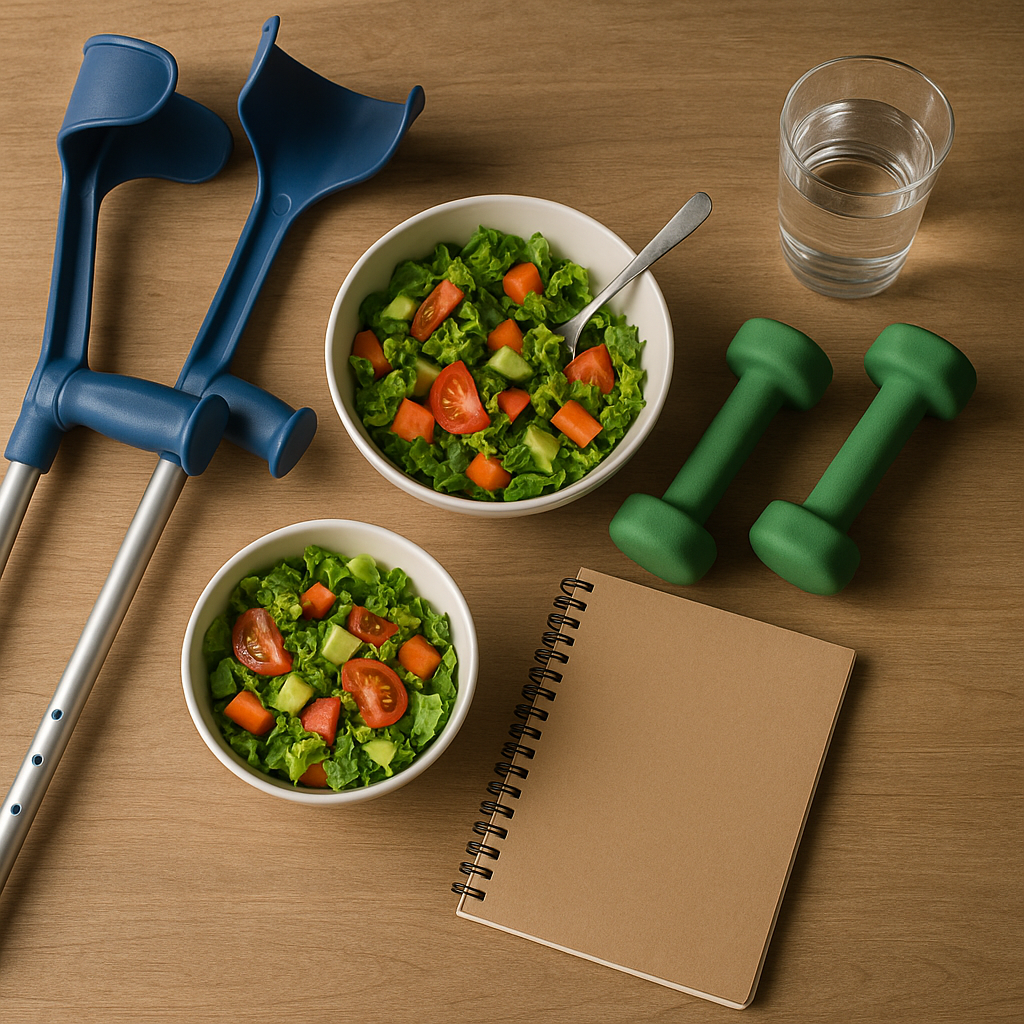
Why Lifestyle Changes Are Necessary After Injury
In the face of an injury, many find themselves navigating a complex array of emotions and uncertainties. The changes required in daily life can seem daunting, prompting the question, “Why are these lifestyle changes necessary?” Understanding the necessity of these adjustments is crucial to embracing the healing journey.
Why People Commonly Ask This Question
Post-injury lifestyle alterations often spark curiosity and concern. Individuals wonder about the rationale behind these changes. This question arises from a desire to comprehend and manage the new reality effectively, balancing the physical and emotional impact of the injury with daily responsibilities.
Context People May Not Realize
Many people may not initially realize the comprehensive impact an injury can have on various facets of life. Injuries can affect more than just physical health; they also influence mental well-being, social interactions, and even professional circumstances. The need for lifestyle adjustments is not merely about physical recovery but also encompasses adapting to a new normal in multiple aspects of life.
Clear Explanation of the Issue
Injury-related lifestyle changes are not arbitrary decisions but are rooted in enhancing recovery and preventing further harm. A thoughtful adaptation to one’s lifestyle helps mitigate additional risks and aligns with the body’s healing processes.
Related Considerations
A key consideration is understanding the body’s altered capabilities and limitations post-injury. Awareness of these changes allows individuals to create supportive environments that promote healing and accommodate their current needs. Engaging in activities that respect physical limitations while focusing on incremental improvements is beneficial.
Common Misunderstandings
One common misconception is that healing is purely physical. However, recovery encompasses emotional and psychological dimensions as well. Lifestyle changes aid in reducing stress, maintaining mental health, and fostering a positive outlook, which are all crucial for holistic recovery.
What People Often Think About Next
After comprehending the necessity of lifestyle changes, individuals often focus on implementing these changes effectively. Questions arise about how to balance rest with activity, employ adaptive techniques in daily tasks, or manage potential lifestyle alterations in social and occupational settings.
Balancing New Realities
Successfully integrating lifestyle changes involves prioritizing activities that align with recovery goals. This might include altering exercise routines, adjusting work schedules, or re-evaluating daily responsibilities to fit new energy levels and physical capacities.
Building a Support Network
Cultivating a strong support network can also be pivotal. Connecting with family, friends, or support groups helps in sharing experiences and gaining insights. Moreover, this support aids in maintaining emotional stability and motivation during recovery.
Conclusion
Lifestyle changes post-injury are crucial to facilitating a comprehensive recovery. Understanding the multifaceted impact of injury and embracing necessary adjustments plays a significant role in nurturing a healthier, more balanced life. By approaching these changes with awareness and adaptability, individuals can contribute positively to their recovery journey and overall well-being.