
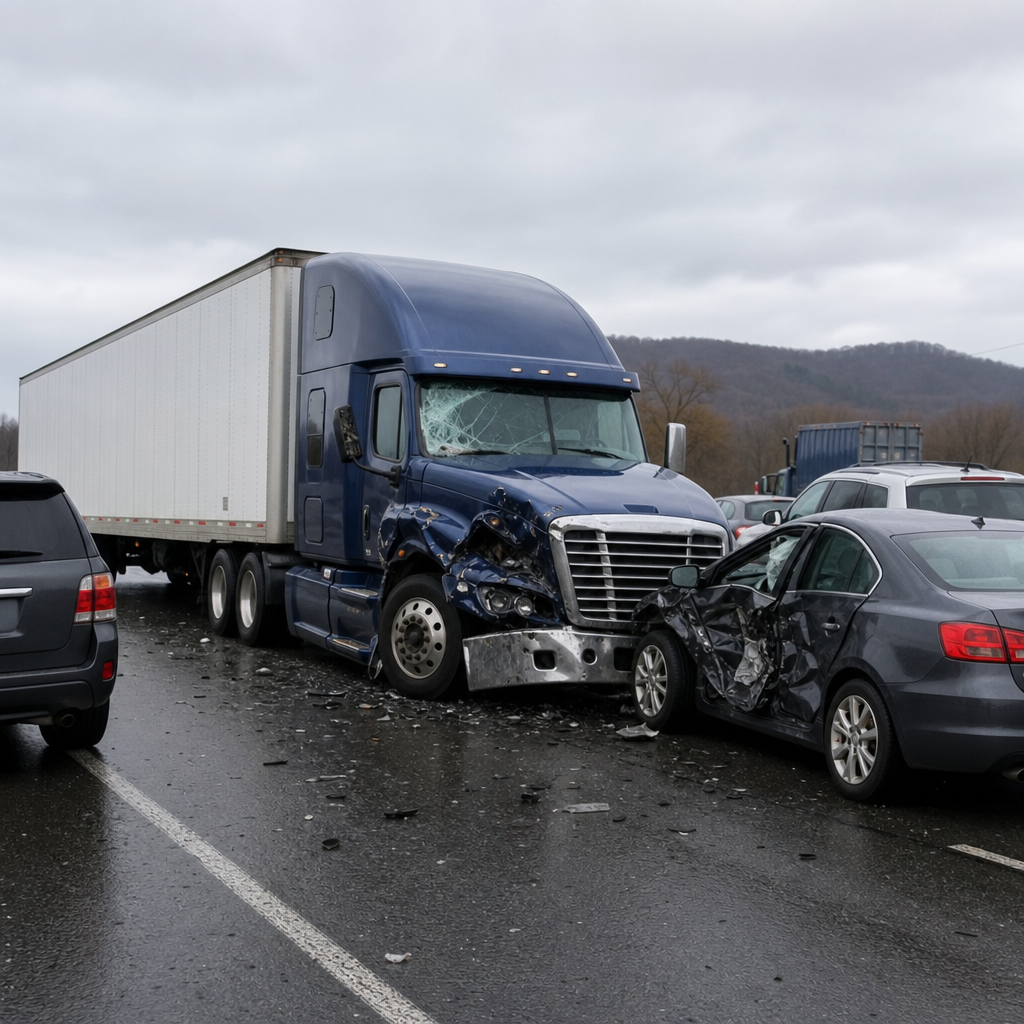
Nobody expects a routine drive to end with the thunderous force of a collision with a semi truck, yet it happens every day. As the dust settles, each person finds themselves trying to make sense of what just unfolded, quickly discovering the aftermath can look very different depending on the severity of the impact.
Immediate Reactions After Impact
When the crash is relatively minor, confusion might settle in before anything else. People often sit in stunned silence, glancing around to check themselves and others. Shortness of breath, trembling hands, and a racing heart are common. Sometimes, soreness creeps in slowly, only noticed as adrenaline fades.
In major collisions, chaos often follows. Sirens wail in the distance, twisted metal confines people to their seats, sometimes leaving them unsure whether they’ve suffered serious injury. It’s not unusual for voices to rise, either with panic or calling for help, while bystanders gather nearby, some recording, others trying to offer reassurance.
Physical Aftereffects
Minor crashes can leave passengers sore or bruised, with aching muscles or a persistent headache. Some find it hard to sleep in the days that follow, restless thoughts replaying the scene again and again. Others report mild symptoms that linger—a stiff neck, a dull ache running down the back, or tingling fingers.
A severe collision with a semi often brings visible and invisible wounds. Lacerations, broken bones, and more dramatic injuries stand out, but less obvious issues like a sense of dizziness or blurred vision surface as hours pass. Hospital visits become routine. Adaptive equipment, like crutches or wheelchairs, might suddenly have a presence in daily life.
Emotional and Mental Responses
Even long after a minor incident, anxiety often crops up at unexpected moments—gripping the wheel tighter passing trucks, feeling a knot in the stomach at intersections. Nightmares can be frequent. It’s not rare for survivors to jump at sudden noises or avoid routes that remind them of the accident.
Trauma often runs deeper when the wreck is serious. Some express numbness, detachment, or struggle to remember details of the crash. Flashbacks may intrude at odd hours or during conversations with friends. Changes show up in mood or appetite, while relationships sometimes feel strained, the weight of the experience gradually coming to light.
Day-to-Day Disruptions
An ordinary schedule can feel upside down after even a minor crash. Individuals have to juggle vehicle repairs, time off work, and endless phone calls about insurance. Plans often get postponed. Mundane routines—work commutes, gym visits—become sources of tension instead of familiarity.
A major impact sends ripples through nearly every aspect of daily life. Missed work, extended hospital stays, and a reliance on others for transportation or errands become frequent. Children may sense tension at home, while finances tighten from unexpected medical bills. Many describe a fog that lingers over their everyday, making it hard to focus on anything beyond recovery.
This page is for general informational purposes only. It does not provide legal advice or direction of any kind.