
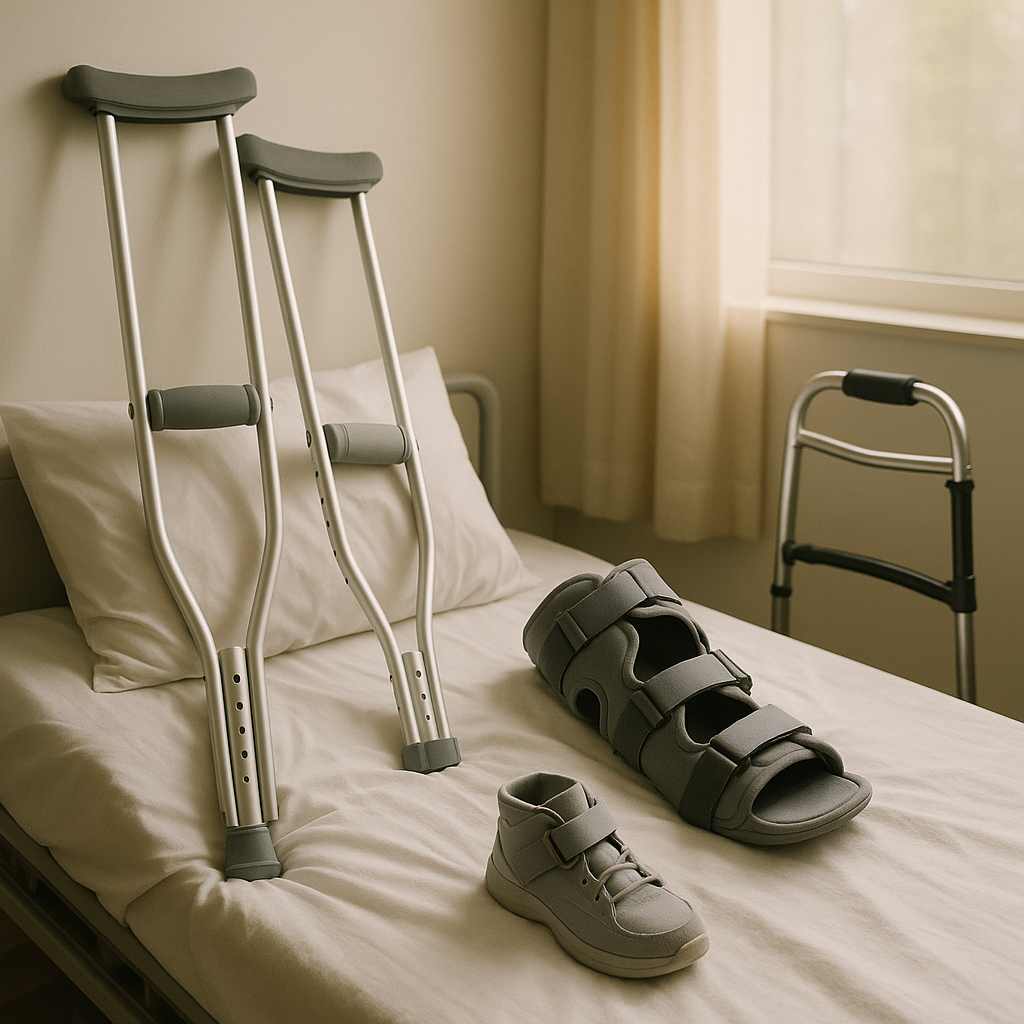
Why Multiple Injuries Complicate Recovery
Why People Commonly Ask This Question
Recovery from any injury can be challenging, but when faced with multiple injuries, the path to healing becomes even more complex. Many people find themselves wondering why this is the case. Understanding the complications involved can help set more realistic expectations and provide insight into why the recovery process might take longer than anticipated.
Clear Explanation of the Issue
When someone sustains multiple injuries, each injury requires specific care and attention, causing a strain on the body’s resources. This can lead to a longer and more complicated recovery process. Here are the main reasons why multiple injuries complicate recovery:
Competing Healing Processes
The body has a remarkable ability to heal, but it prioritizes repairs when faced with multiple injuries. Each injury competes for necessary resources like blood, oxygen, and nutrients, which can slow down overall recovery. This competition can lead to delayed healing times for all involved injuries.
Increased Risk of Complications
With more injuries, there is a higher risk of complications such as infections, poor wound healing, or even chronic pain. The body is more vulnerable, and managing the interconnected impacts of multiple traumas can be challenging for healthcare providers.
More Intensive Rehabilitation
Rehabilitation is crucial for recovery, but with multiple injuries, the rehabilitation becomes more complex. Different injuries may require different types of therapy, and coordinating these treatments can be difficult. Balancing different therapeutic approaches while avoiding overexertion is key, yet challenging.
Psychological Impact
Dealing with multiple injuries can also take a toll on mental health. The stress and frustration of managing several injuries can lead to anxiety or depression, which may further complicate the physical recovery process. Emotional well-being is an essential component of healing, and it may be more difficult to maintain when overwhelmed by multiple physical challenges.
Context People May Not Realize
Understanding the full context of multiple injury recovery requires considering factors that are not immediately obvious.
Hidden Impacts on Daily Life
Multiple injuries can severely impact daily activities, from simple tasks to fulfilling work or personal obligations. The physical limitations are compounded by the emotional burden, potentially affecting relationships and quality of life.
The Role of Nutrition and Rest
Nutrition and rest are crucial for healing, yet they are areas that can be easily overlooked. With multiple injuries, the body’s nutritional needs increase, and adequate rest becomes even more critical. Undermining these aspects can inadvertently slow down the healing process.
What People Often Think About Next
After understanding why multiple injuries complicate recovery, people might start to consider what steps they can take to manage their healing journey more effectively.
Seeking Professional Guidance
Many seek guidance from healthcare professionals to navigate the complexities of recovery. This may include developing a coordinated care plan that addresses all injuries simultaneously, focusing on how to best allocate resources for healing.
Exploring Support Systems
Support from family, friends, and support groups can offer significant benefits. Emotional and practical support can alleviate some of the burdens of recovery, providing encouragement and assistance with daily tasks.
Related Considerations
In the process of recovery, there are additional considerations that play a pivotal role.
The Importance of Patience
Patience is a vital aspect of dealing with multiple injuries. Understanding that progress might be slow can help individuals maintain a positive outlook and stay committed to their rehabilitation plans.
Adapting to Change
Accepting modifications in lifestyle and finding adaptive solutions can aid in managing multiple injuries. This might mean altering the home environment or adjusting routines to accommodate current capabilities.
Common Misunderstandings
There are misconceptions that can lead to frustration or unrealistic expectations.
Expecting Quick Fixes
One common misunderstanding is hoping for quick fixes or shortcuts to recovery. Multiple injuries require time and consistent care, and expecting rapid results can be discouraging.
Overlooking Mental Health
Another often-overlooked aspect is the importance of mental health support. Physical recovery is closely linked to emotional resilience, and neglecting mental well-being can hinder overall progress.
Understanding why multiple injuries complicate recovery provides clarity into the recovery process and encourages a more informed, patient approach to healing. Through awareness and thoughtful management, individuals can navigate their recovery journey more effectively.