
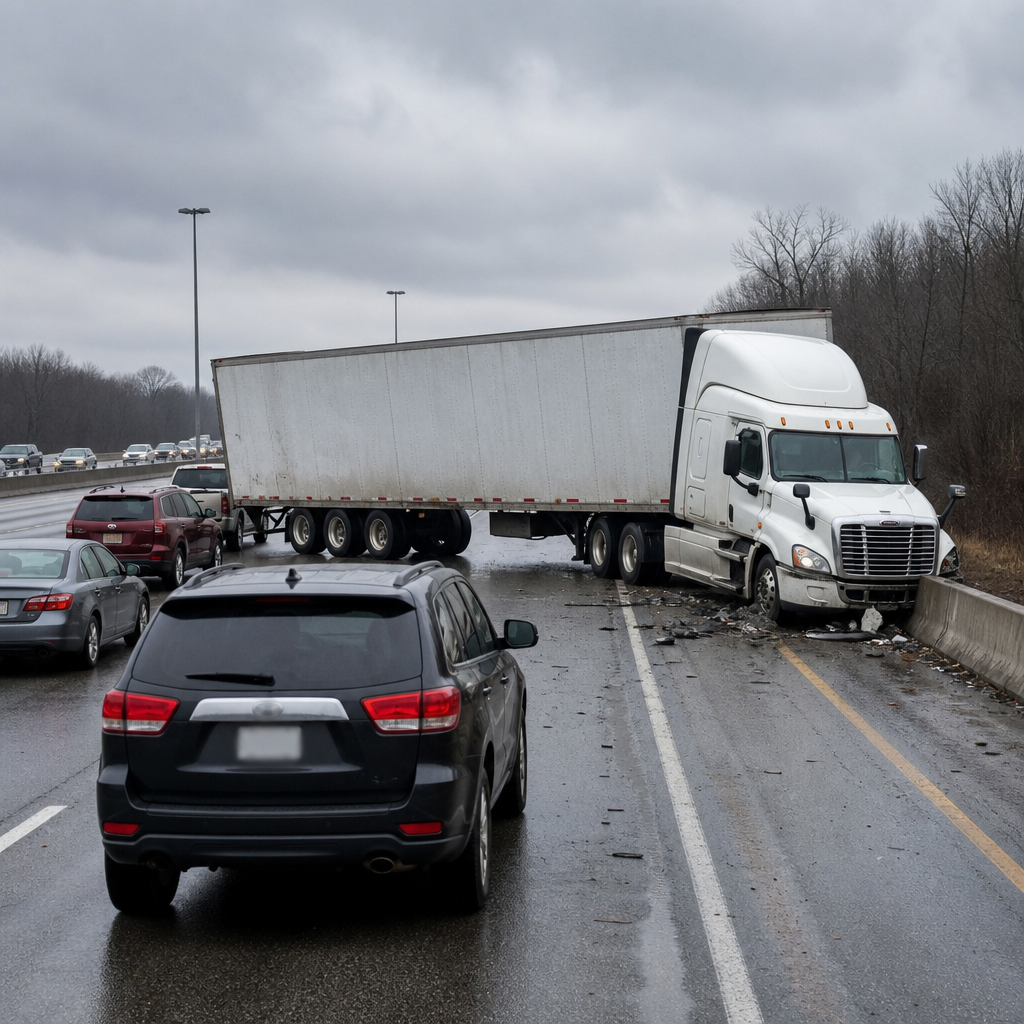
The scene after a semi truck accident rarely looks the same twice. Sometimes the impact leaves little more than stunned drivers exchanging glances, while other times chaos and confusion fill the air. Across every situation, people find themselves navigating a whirlwind of emotions and physical responses.
The Jolt of a Minor Collision
Many describe the initial shock as a sudden interruption—a loud sound, a sharp shake, and then a frozen moment of realization. Traffic slows around the area, as drivers try to process what has happened. People often notice dents, scratched paint, or a crumpled fender. Even minor accidents tend to leave nerves rattled and adrenaline coursing.
Passengers might check themselves for bruises or sore spots, sometimes finding aches days later. Conversation between those involved can be awkward or tense, with everyone replaying the moment in their minds. Some find themselves simply grateful to stand safely on the roadside.
When a Major Impact Changes Everything
The aftermath of a major semi truck crash tends to be much more chaotic. Smashed vehicles line the roadway, glass litters the ground, and sirens often pierce through the commotion. Witnesses sometimes describe a sense of disbelief as they try to make sense of the unfolded scene.
Serious injuries or visible distress can dominate the attention of everyone nearby. Emergency responders arrive quickly, working to manage both the immediate danger and the growing crowd. Survivors may grapple with pain, confusion, or fear, surrounded by flashing lights and the buzz of emergency radios. Uncertainty and shock linger long after the noise dies down.
Emotional Currents
Reactions after a semi truck accident run a wide spectrum. Some people feel anxious or shaken for hours, not quite able to settle back into routine. Even in less severe incidents, the memory often lingers—echoing in thoughts or surfacing as heightened caution on future drives.
Others describe frustration or anger, particularly when dealing with damage or disruption to their plans. In major accidents, worry for loved ones and witnesses can weigh heavy. Emotional responses fluctuate, with moments of calm or distraction suddenly giving way to waves of dread or fatigue.
Lasting Effects and Adaptations
Not everyone walks away feeling the same, and adjusting afterward can look different for each person. Some find their confidence behind the wheel temporarily shaken, especially if the crash was severe or noisy. Drivers and passengers sometimes recount changing travel routines or feeling uneasy alongside large trucks on the highway.
Physical symptoms, ranging from lingering aches to headaches or stiffness, may linger for days or weeks. Regular daily life gets interrupted, plans shift, and routines change as people process the experience. For some, the sight of a big truck recalls the accident sharply, even well after the road has been cleared.
This page is for general informational purposes only. It does not provide legal advice or direction of any kind.