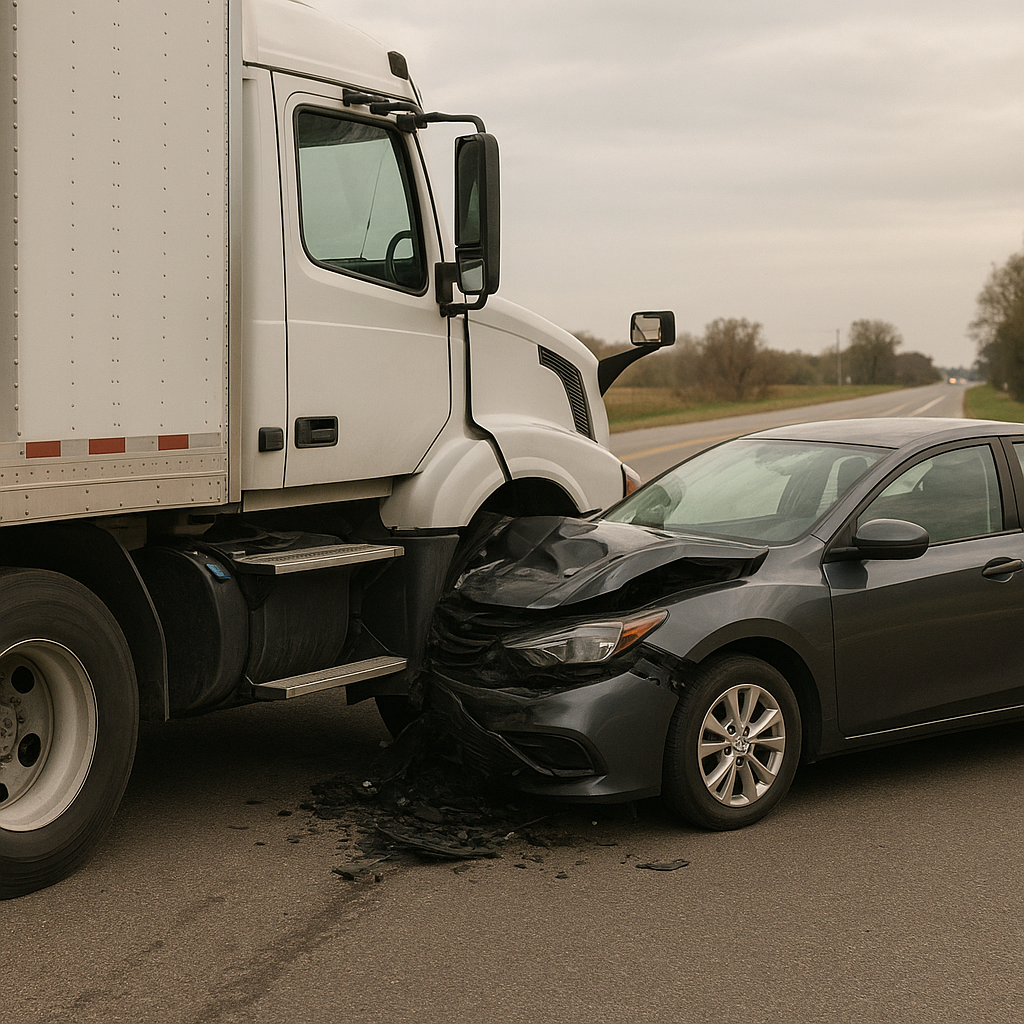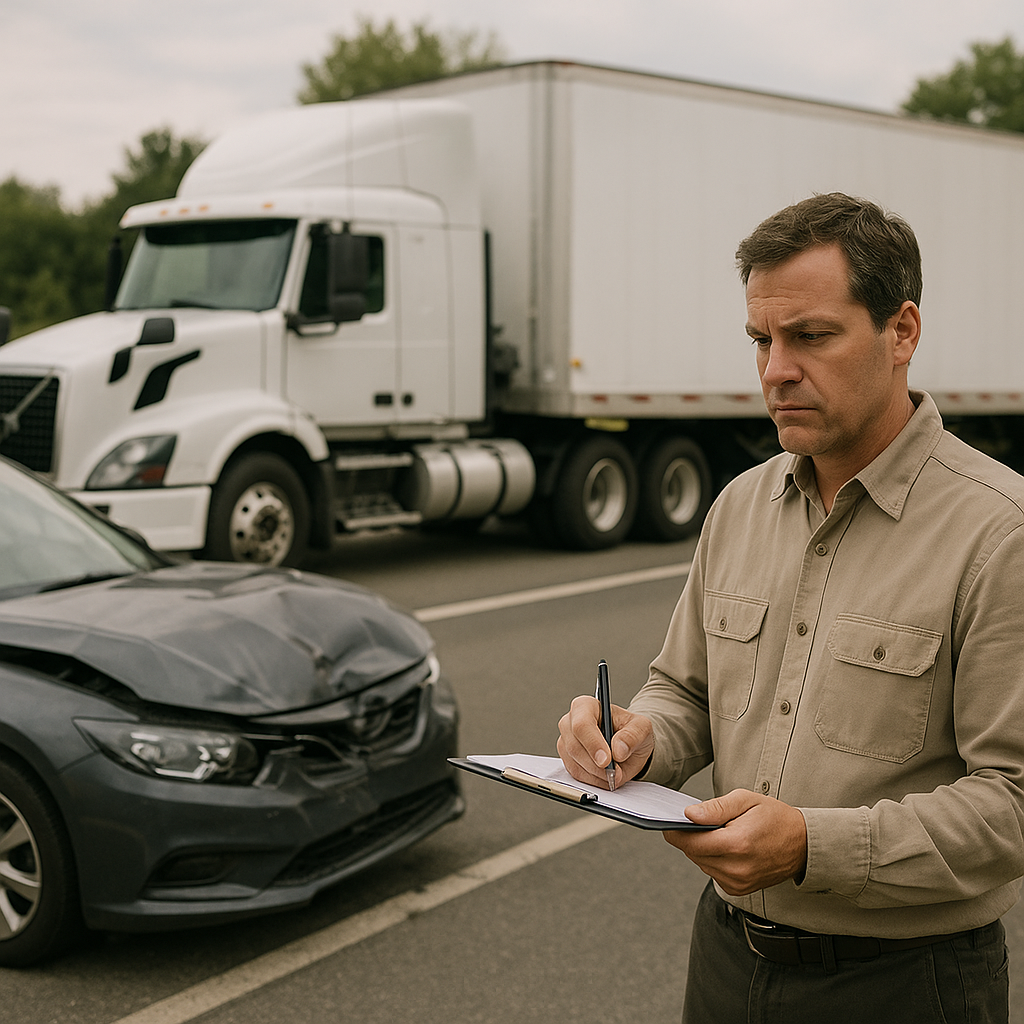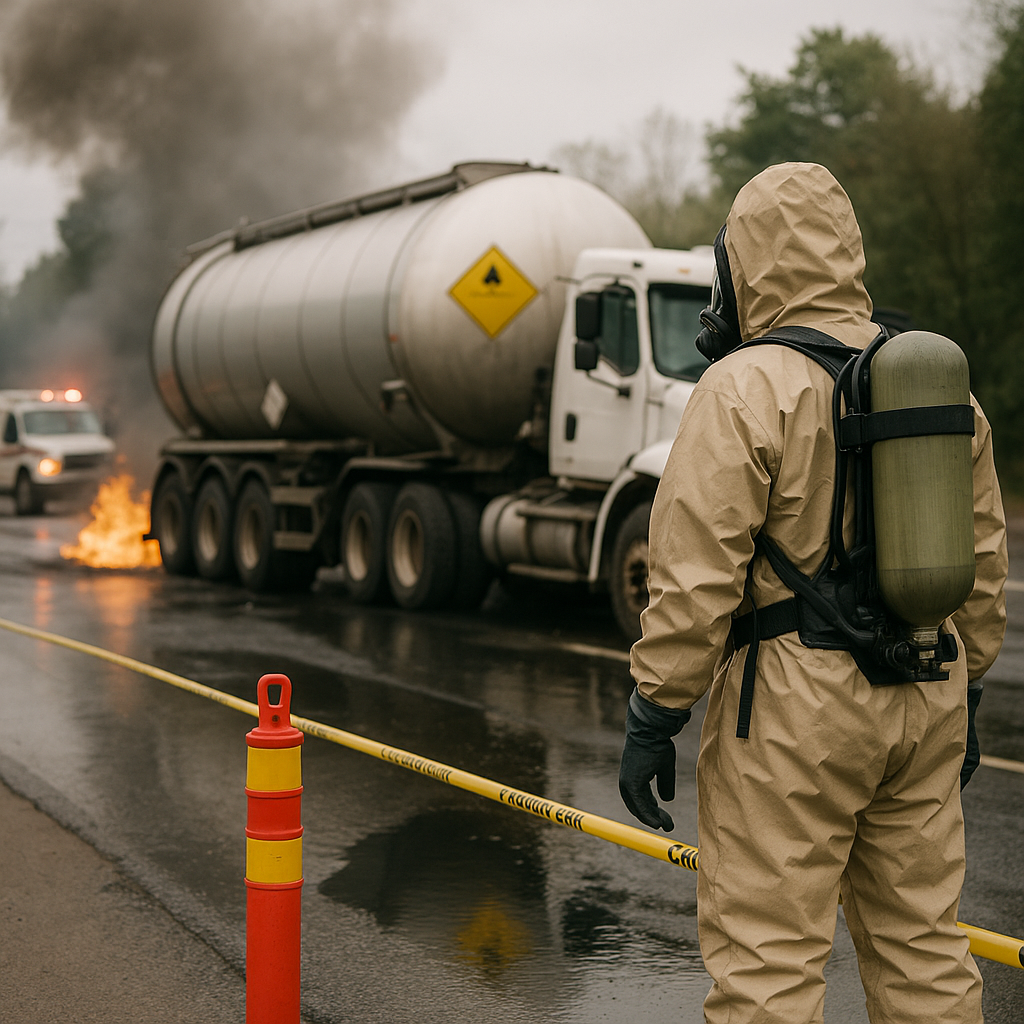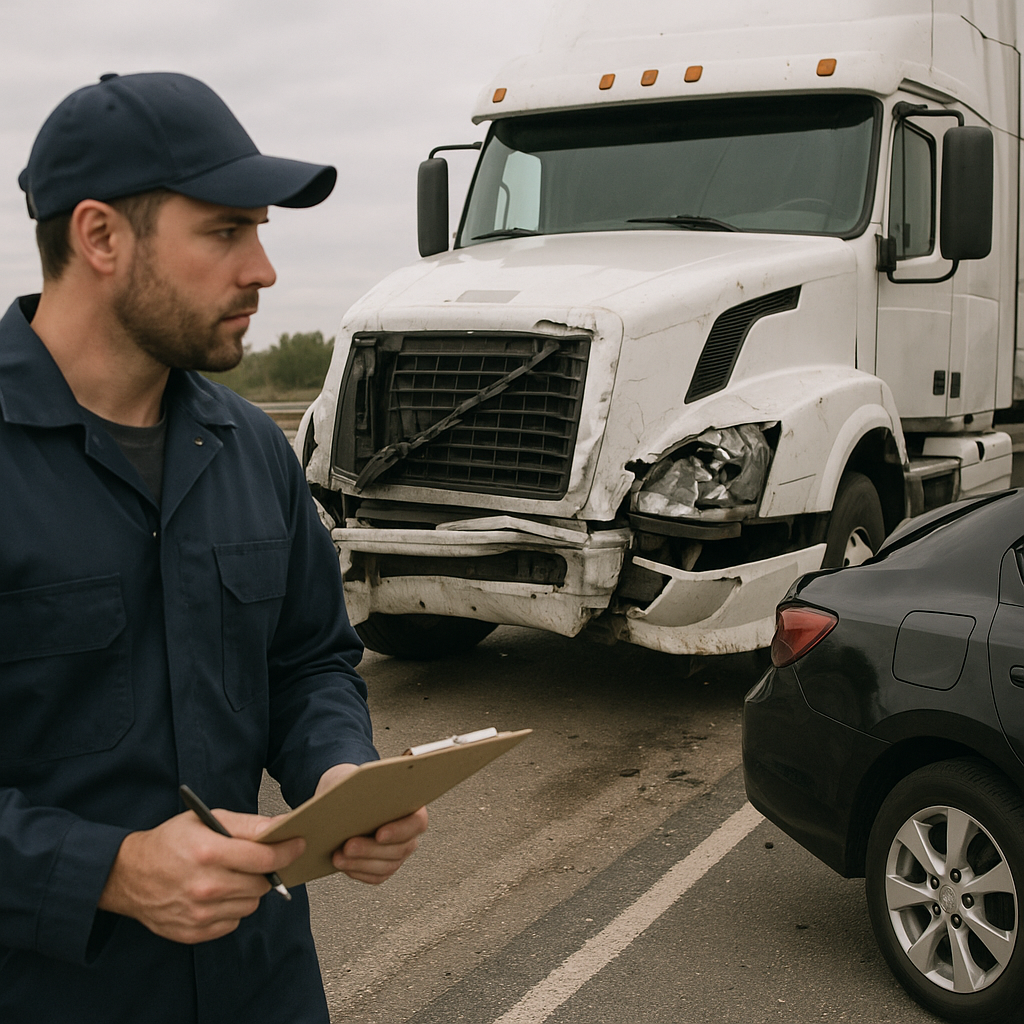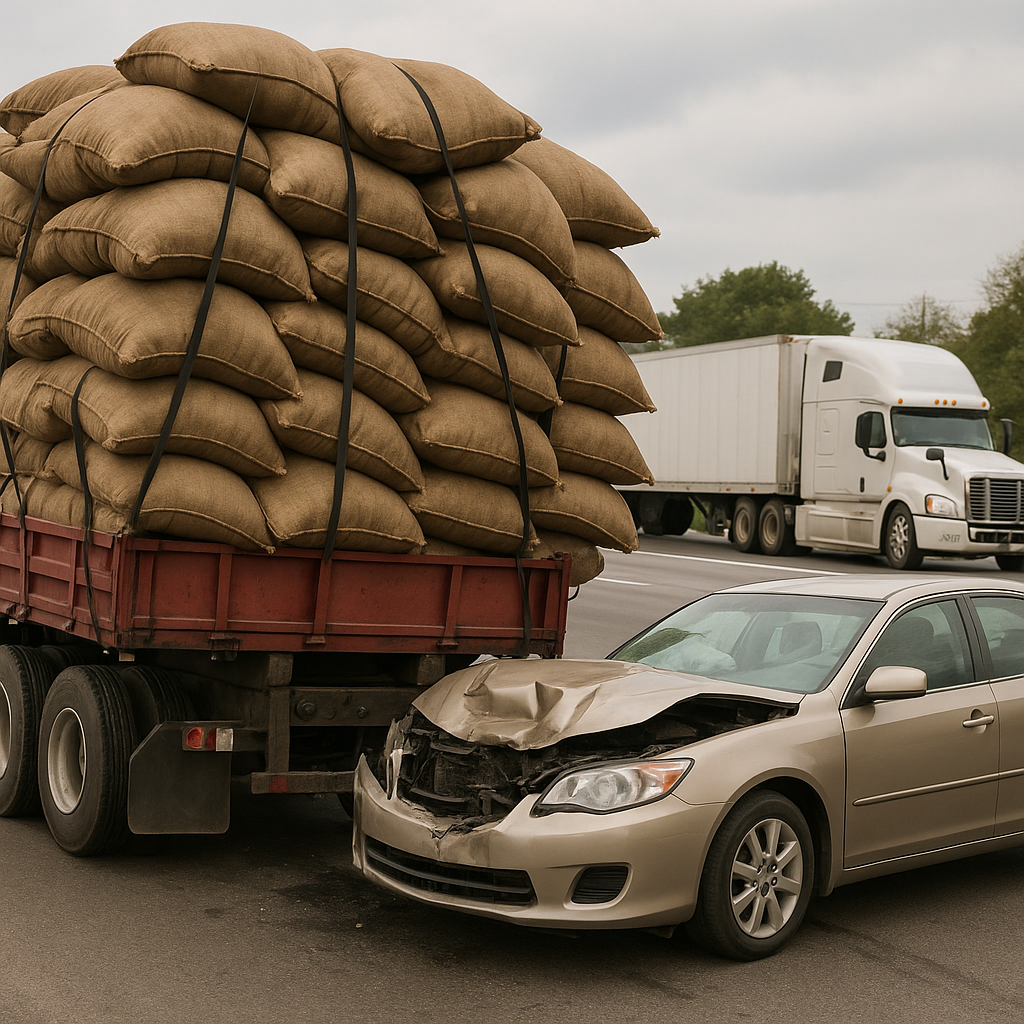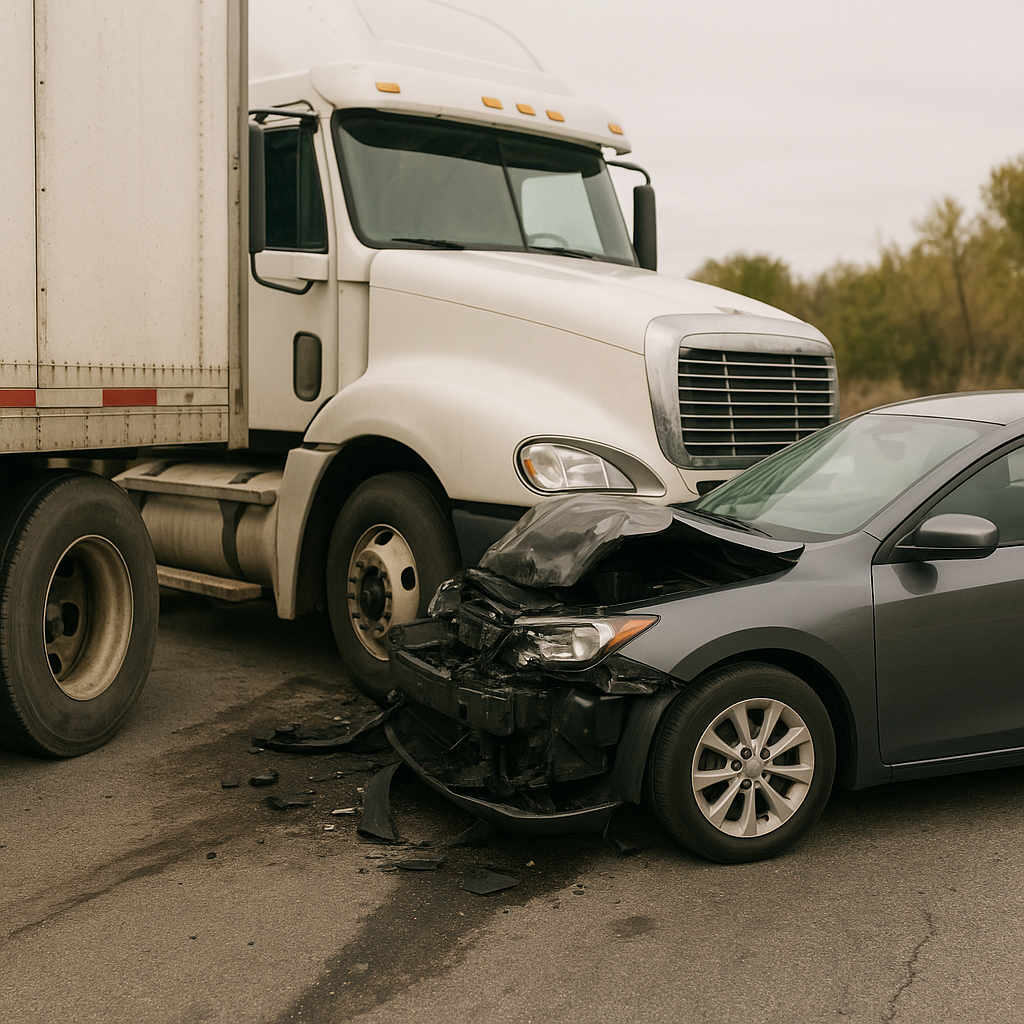
# How insurance companies determine liability in truck accidents When a serious crash involves a commercial truck, liability isn’t decided by a single factor—it’s pieced together from evidence, regulations, and insurance policy language. For anyone searching **insurance liability truck accident** answers, here’s how insurers typically determine who’s responsible and why. ## 1) They start with the official crash record Insurance adjusters usually begin with: – Police crash reports and citations – Statements taken at the scene – Diagrams, road conditions, and initial fault assessments While a police report isn’t always “final word” proof, it strongly influences early liability decisions. ## 2) They collect and compare statements Insurers interview: – Drivers involved – Passengers – Independent witnesses They look for consistency and credibility, then cross-check stories against physical evidence. ## 3) They analyze physical and scene evidence To assign **insurance liability truck accident** fault percentages, insurers may review: – Vehicle damage patterns (point of impact) – Skid marks, debris fields, and final rest positions – Photos/video from dashcams, businesses, or traffic cameras – Weather, lighting, signage, lane markings, and work-zone conditions ## 4) They pull truck-specific electronic data Commercial vehicles generate powerful evidence, including: – ELD logs (hours-of-service and rest compliance) – ECM/“black box” data (speed, braking, throttle, fault codes) – GPS/telematics (routes, stops, harsh braking, speeding) This data can confirm or contradict a driver’s account. ## 5) They review compliance with trucking regulations Insurers check whether violations contributed to the crash, such as: – Fatigue or hours-of-service breaches – Improper maintenance or inspections – Overweight loads or unsafe load securement – Driver qualification and training issues Regulatory noncompliance often shifts liability toward the carrier or other responsible parties. ## 6) They identify *all* potentially liable parties Truck accidents often involve more than just two drivers. Insurers evaluate whether liability falls on: – The truck driver – The trucking company (employer liability) – A maintenance provider – A shipper/loader or freight broker – A truck or parts manufacturer (defect claims) – Government entities (road design or signage issues) This is a key difference in **insurance liability truck accident** investigations versus typical car crashes. ## 7) They apply negligence rules and fault allocation Insurers use state law frameworks to assign fault: – **Comparative negligence** (fault split by percentage) – **Contributory negligence** (limited in a few states) – **Modified comparative negligence** thresholds (recovery barred after a set fault level) They also examine right-of-way laws, following distance, lane-change rules, and distracted driving indicators. ## 8) They check insurance policies and coverage layers Liability determinations are also shaped by: – Policy exclusions and endorsements – Who is an “insured” under each policy – Primary vs. excess coverage (multiple layers are common in trucking) – Lease/owner-operator agreements that affect which policy responds first Coverage analysis doesn’t change who caused the crash, but it can change which insurer pays and how disputes unfold. ## 9) They negotiate—or dispute—based on evidence strength After gathering evidence, insurers: – Make a liability decision (full, shared, or denied) – Estimate damages – Negotiate settlements, arbitration, or litigation strategy If evidence is unclear, liability may remain contested until discovery produces more documentation. ## What helps most in an insurance liability truck accident claim? Commonly decisive items include: – Video footage (dashcam/traffic/business cameras) – ELD/ECM data – Independent witness statements – Maintenance and inspection records – Proof of regulatory violations If you’d like, I can tailor this into a tighter, more click-driven intro and section headers while keeping the title exactly as provided.
truck accident liability, commercial truck insurance claims, trucking regulations compliance, comparative negligence fault allocation, ELD black box evidence