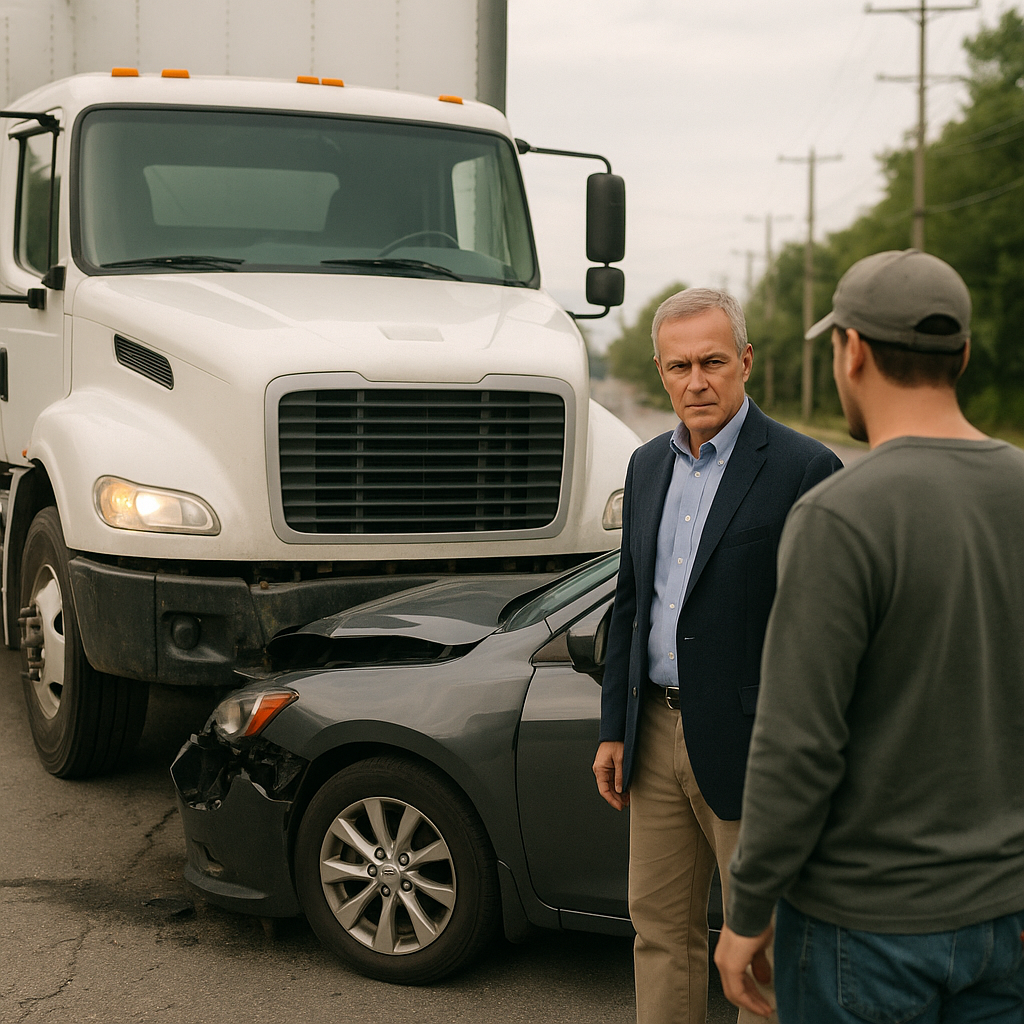
Severe Nerve Degeneration After Truck Injuries
Nerve Injury, Truck Accident, Severe Degeneration, Chronic Pain, Nerve Damage

Nerve Injury, Truck Accident, Severe Degeneration, Chronic Pain, Nerve Damage

accident-related injuries, respiratory trauma, truck accident complications, severe lung injuries, injury recovery factors

Experiencing a truck injury often leads to a need for various therapies, focusing on physical recovery, daily function, and emotional healing. Common therapies include physical and occupational therapy, psychological counseling, and chiropractic care.

Severe injury, Truck accident injuries, Physical trauma, Vehicle collision impacts, Recovery from trauma

Long-term recovery after a truck accident involves physical, emotional, and mental healing, requiring patience as individuals navigate medical treatments and emotional challenges, gradually regaining well-being while adapting to setbacks and slow progress.

Truck accidents often cause severe injuries. Physical therapy is crucial for recovery, as it restores function and mobility with tailored treatment plans. Addressing these injuries early can prevent chronic pain and improve overall outcomes.

Long-term recovery after a truck accident is marked by uncertainty, requiring physical, emotional, and social adjustments over months or years. Navigating unpredictable medical and financial outcomes is crucial for rebuilding well-being.

**Excerpt:**
Understanding the evolution of pain after truck injuries is essential due to the severity of these incidents. Initially acute, pain can become chronic, influenced by emotional and psychological factors, impacting long-term well-being.

**Title: Why Emotional Recovery Takes Time**
Emotional recovery is akin to a slow-moving truck, navigating the winding roads of healing. Factors like emotional wound nature, personality, and support systems affect this intricate process, demanding patience and reflection.

Long-term recovery after a truck accident involves physical and emotional healing, requiring patience and support. It includes overcoming challenges such as pain management and psychological trauma, ultimately aiming to restore confidence and normalcy.