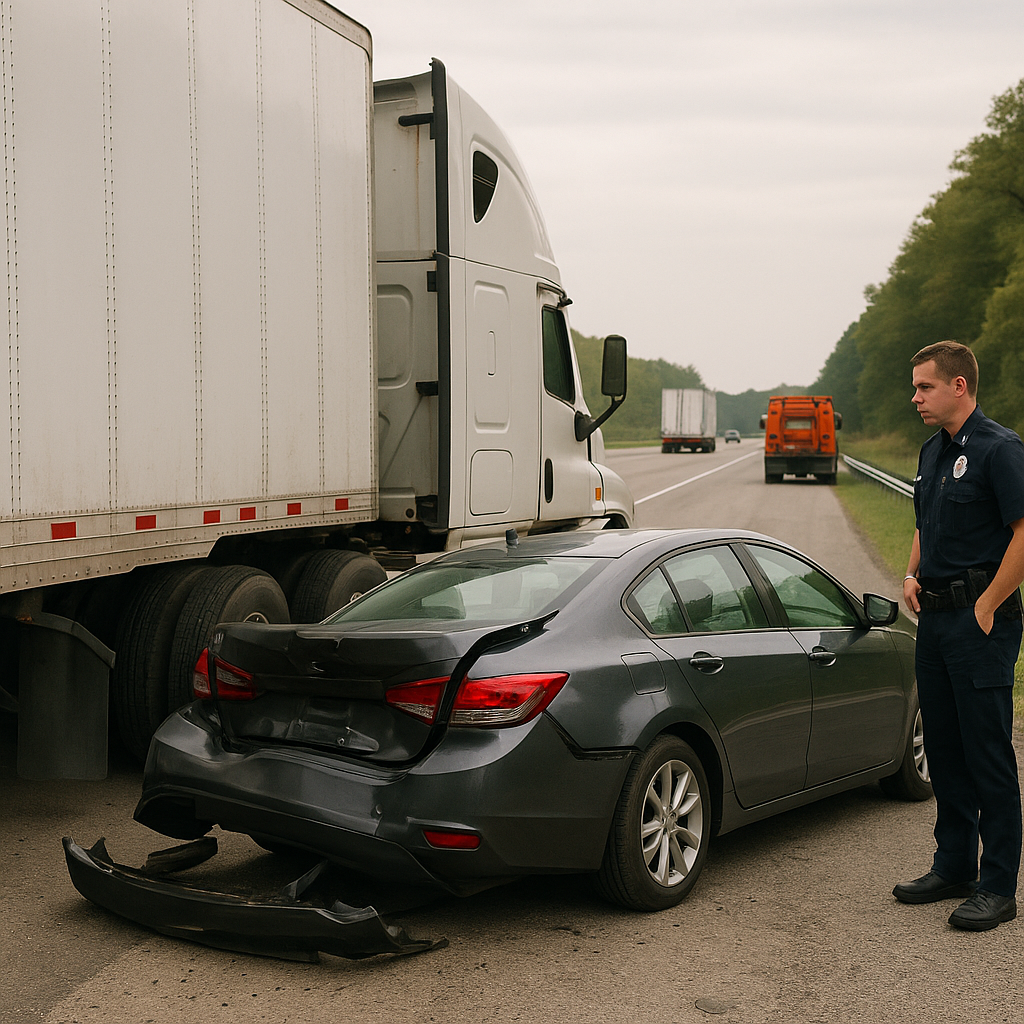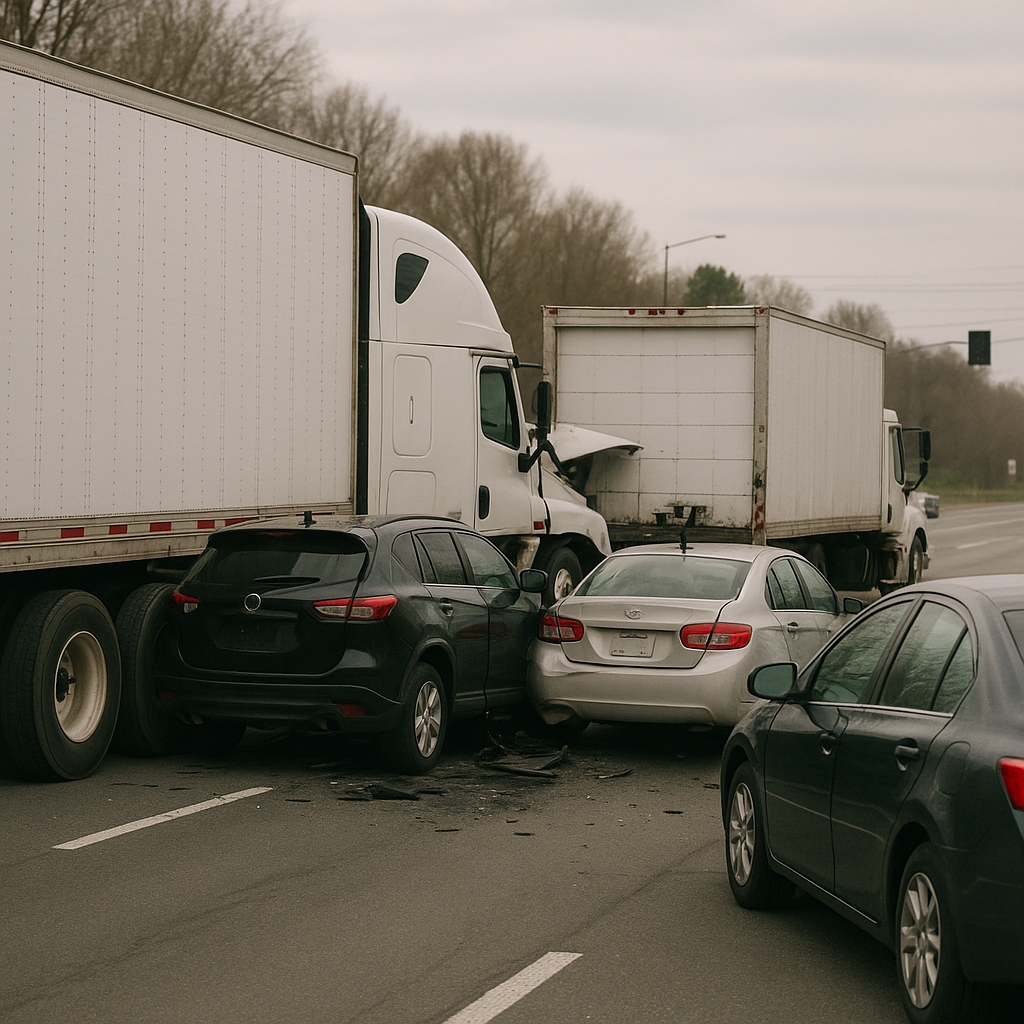
# How independent contractor status affects liability ## Independent Contractor Status: Why It Matters for Liability When a worker is classified as an independent contractor, liability often shifts compared to an employee relationship. In many situations, the hiring company may argue it’s not responsible for the contractor’s actions because the contractor controls how the work is performed. ## Who Can Be Held Responsible? Liability typically depends on control, contracts, and the specific facts of the incident. Commonly implicated parties include: – **The independent contractor**: Often primarily responsible for their own negligence. – **The hiring company**: May still face exposure if it exercised significant control, was negligent in hiring/supervision, or created unsafe conditions. – **Third parties**: Such as equipment owners, maintenance providers, or shippers, depending on what contributed to the harm. ## Independent Contractor Truck Liability: Key Considerations For **independent contractor truck liability**, responsibility can become complex because trucking often involves multiple entities (carrier, broker, shipper, owner-operator). Liability may hinge on: – **Who controlled the driver’s work** (routes, schedules, methods) – **Who owned and maintained the truck/trailer** – **Insurance coverage structures** (motor carrier policies, non-trucking liability, bobtail coverage) – **Regulatory frameworks** that may assign responsibility to motor carriers in certain contexts ## Situations Where the Hiring Company May Still Be Liable Even with an independent contractor agreement, a company may still be liable if: – **It retains control** over the manner and means of the work – **Negligent hiring or retention** applies (e.g., ignoring safety history) – **Non-delegable duties** exist (certain legal obligations can’t be contracted away) – **Apparent agency** occurs (the contractor is presented as part of the company) ## Contract Terms vs. Real-World Practices A contract stating “independent contractor” helps—but courts and insurers often look at the reality of the relationship. Day-to-day control, required procedures, and oversight can outweigh labels. ## Bottom Line Independent contractor status can reduce a company’s exposure, but it doesn’t automatically eliminate it—especially in **independent contractor truck liability** situations where control, maintenance, insurance, and regulatory responsibility can keep multiple parties in play.
independent contractor truck liability, trucking accident liability, vicarious liability, negligent hiring and supervision, motor carrier insurance coverage