Blog

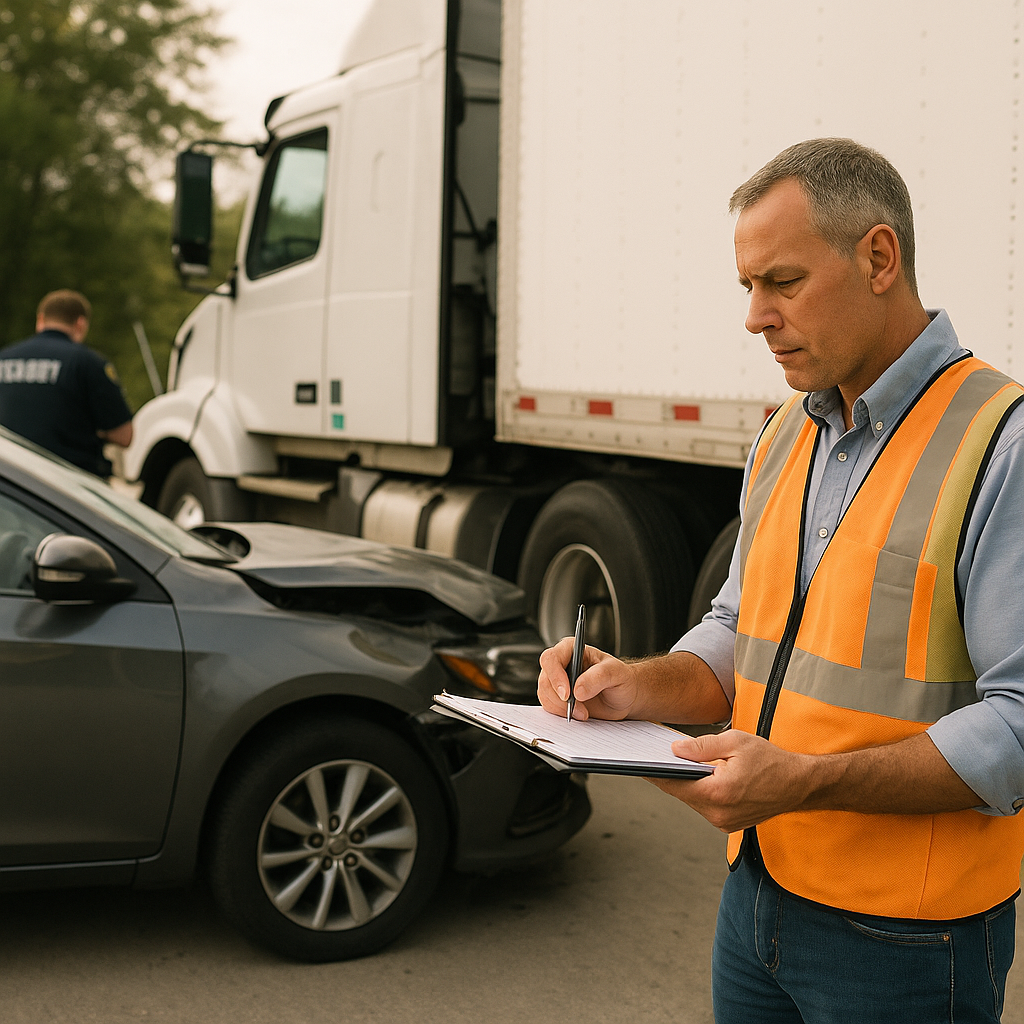
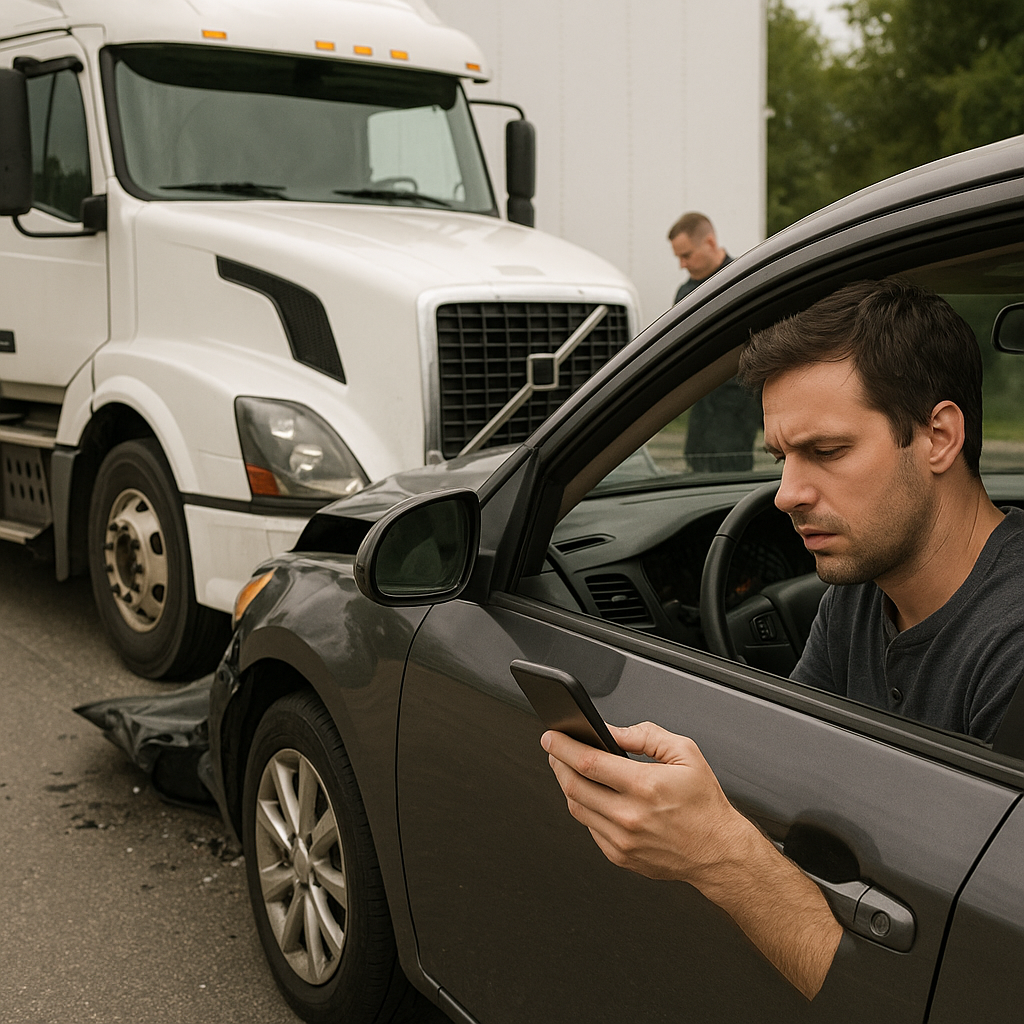
Illustration of ## What is negligent hiring in trucking accident cases When a **negligent hiring trucking accident** claim ar

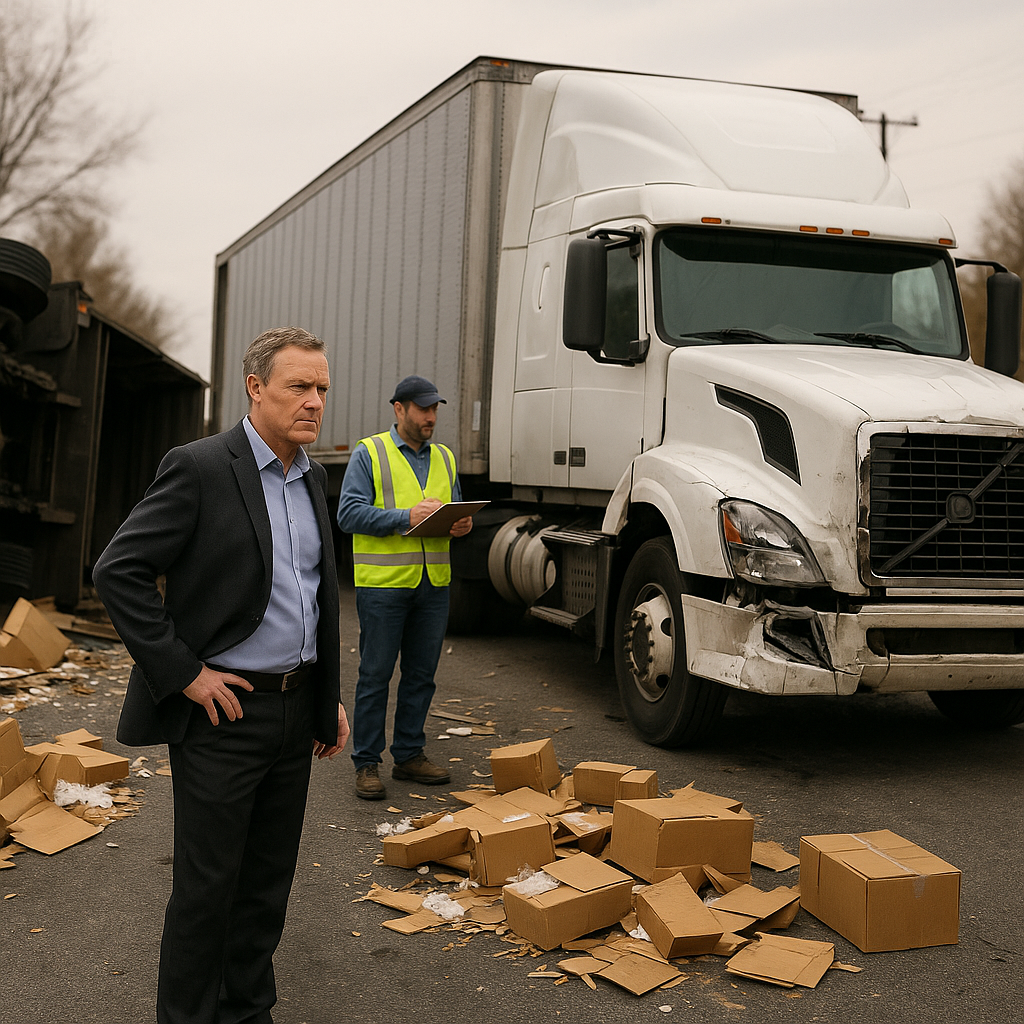
## What is negligent hiring in trucking accident cases When a **negligent hiring trucking accident** claim arises, it centers on whether a trucking company put an unsafe driver on the road by failing to use reasonable care during the hiring process. In other words, the company may be responsible not just for the crash—but for the decision to hire (or keep) a driver who posed a foreseeable risk. ### What “negligent hiring” means in trucking cases Negligent hiring generally alleges that the employer: – **Hired a driver it knew—or should have known—was unfit**, and – That decision **contributed to a trucking accident** that caused injury or damage. ### Common examples of negligent hiring in trucking accidents A trucking company may be accused of negligent hiring if it failed to: – Check **driving history** (serious violations, prior crashes, license suspensions) – Verify **CDL status** and proper endorsements – Review **drug/alcohol history** or follow required testing procedures – Confirm **prior employment** and reasons for termination – Screen for patterns of **reckless driving**, safety violations, or falsified logs – Conduct required **background checks** or safety-performance reviews ### Why it matters in a trucking accident claim A negligent hiring trucking accident theory can expand the focus beyond the driver’s actions in the moment and onto the company’s safety practices. It may be relevant when the driver’s record or history suggests the crash risk was **foreseeable and preventable** with proper screening. ### What’s typically examined as evidence These cases often rely on records such as: – Driver qualification files – Motor vehicle records (MVRs) – Drug/alcohol testing documentation – Prior employer inquiries and responses – Training and safety compliance documents – Hiring policies and internal communications

negligent hiring, trucking accident liability, motor carrier safety compliance, driver background checks, CDL & MVR records

Read More »
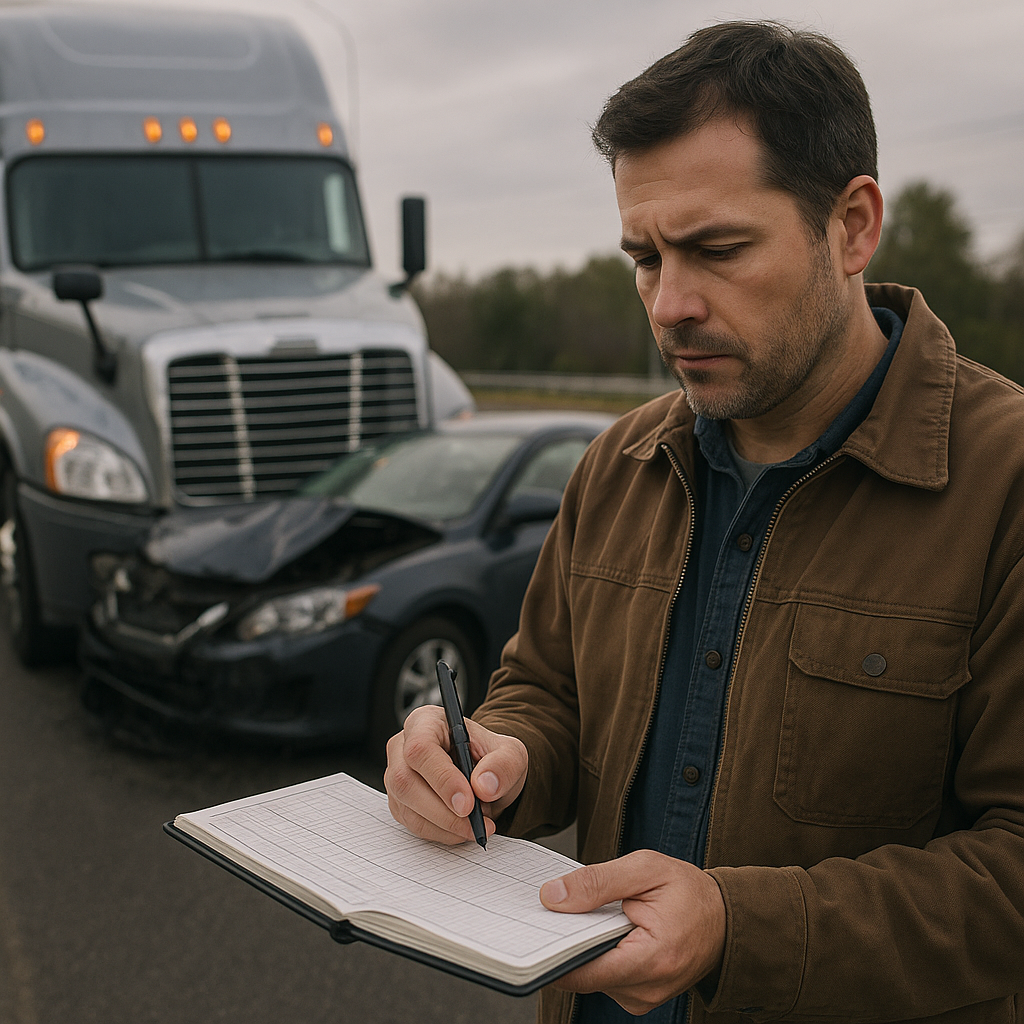
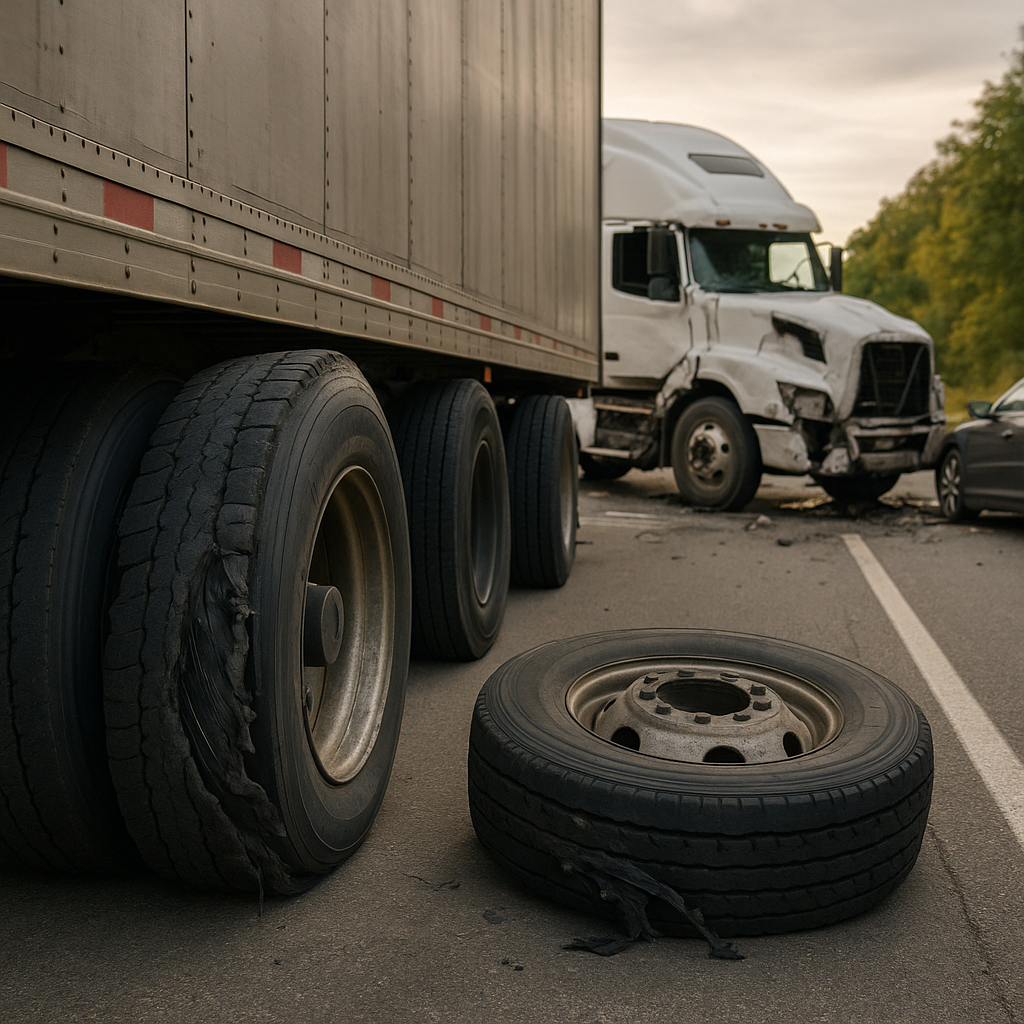
Illustration of # What is vicarious liability in trucking accidents When a serious crash involves a commercial truck, liabili

# What is vicarious liability in trucking accidents When a serious crash involves a commercial truck, liability isn’t always limited to the driver behind the wheel. **Vicarious liability in trucking accidents** is the legal concept that can make a trucking company financially responsible for a driver’s actions—often increasing the available insurance coverage and changing how a claim is pursued. ## What “vicarious liability” means **Vicarious liability** generally refers to one party being held responsible for another party’s negligence because of a specific legal relationship—most commonly, **employer and employee**. In a trucking context, this often means: – The **truck driver** may be at fault for negligent driving (speeding, distraction, unsafe lane changes, etc.). – The **trucking company** may also be liable because the driver was acting within the scope of their job. ## How vicarious liability applies in a trucking accident For **vicarious liability trucking accident** claims, the key question is typically whether the driver was: 1. **An employee (not an independent contractor)**, and 2. **Working within the scope of employment** at the time of the crash. “Scope of employment” usually includes actions taken while performing job duties—such as hauling a load, traveling between pickups and deliveries, or operating the truck during assigned hours. ## Common factors that can strengthen a vicarious liability claim Evidence that may support vicarious liability includes: – Dispatch records and delivery schedules – Bills of lading and trip logs – Electronic logging device (ELD) data – Employer control over routes, loads, schedules, and driving practices – Company-provided truck, fuel card, maintenance, or required training ## When the company may argue vicarious liability doesn’t apply Trucking companies often try to avoid responsibility by claiming the driver was: – **An independent contractor**, not an employee – On a **personal errand** or “frolic” outside work duties – Using the truck **without authorization** Even then, liability may still be possible through other legal theories (like negligent hiring or supervision), depending on the facts. ## Why vicarious liability matters after a trucking crash Vicarious liability can be important because it: – Broadens who may be responsible for damages – Often increases the insurance coverage available – Shifts the case from a driver-only claim to a claim involving company policies, procedures, and records If you’re evaluating a **vicarious liability trucking accident** situation, the employment relationship and the driver’s work activity at the moment of the crash are usually central to the case.

vicarious liability, trucking accidents, employer liability, scope of employment, commercial truck insurance

Read More »
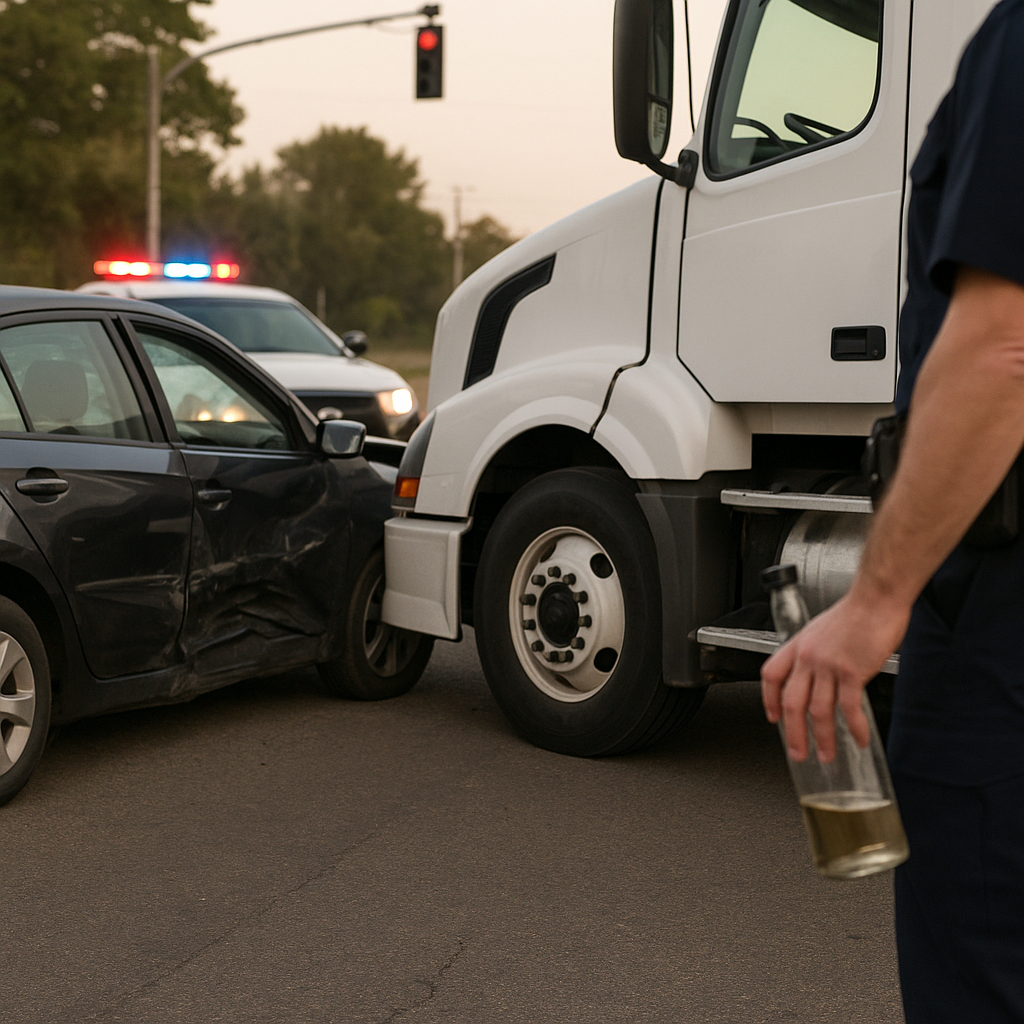
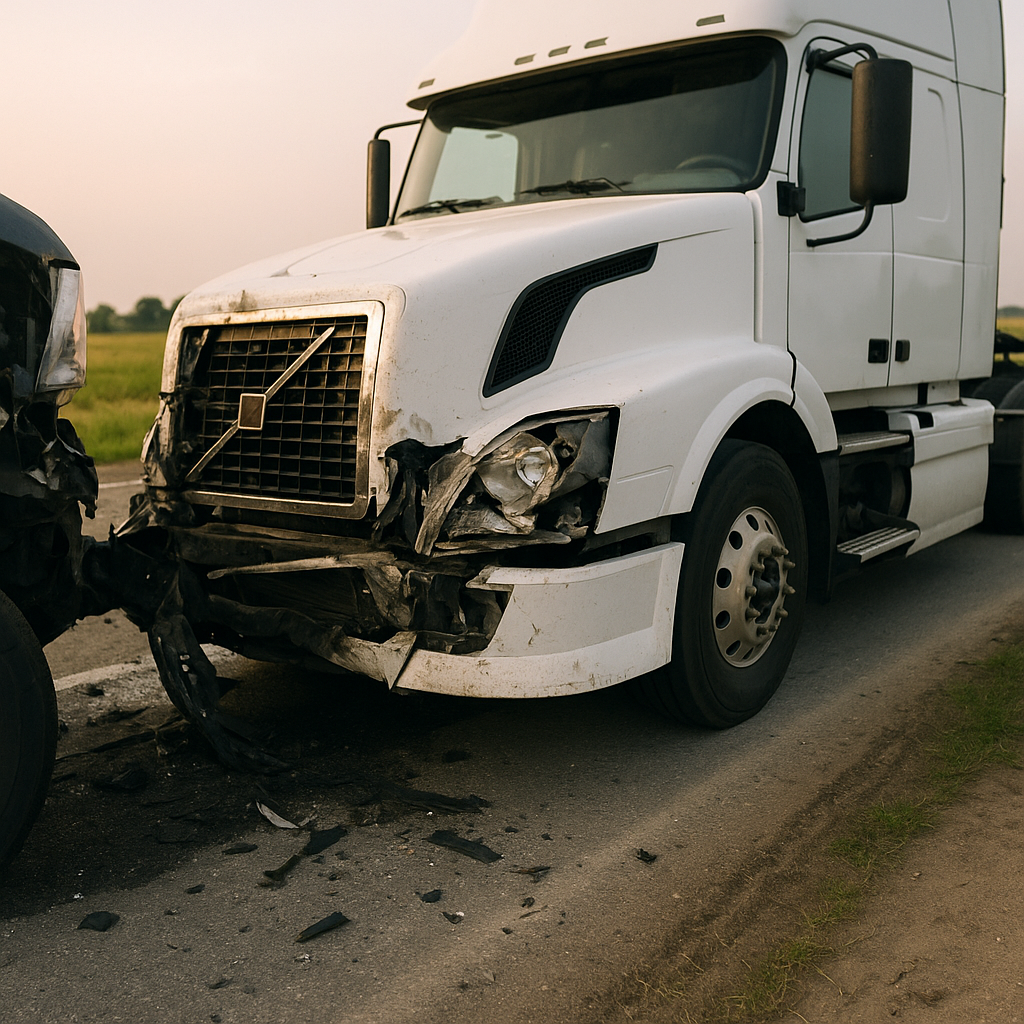
Illustration of # How shared fault affects truck accident claims ## Shared fault truck accident: what it means for your claim

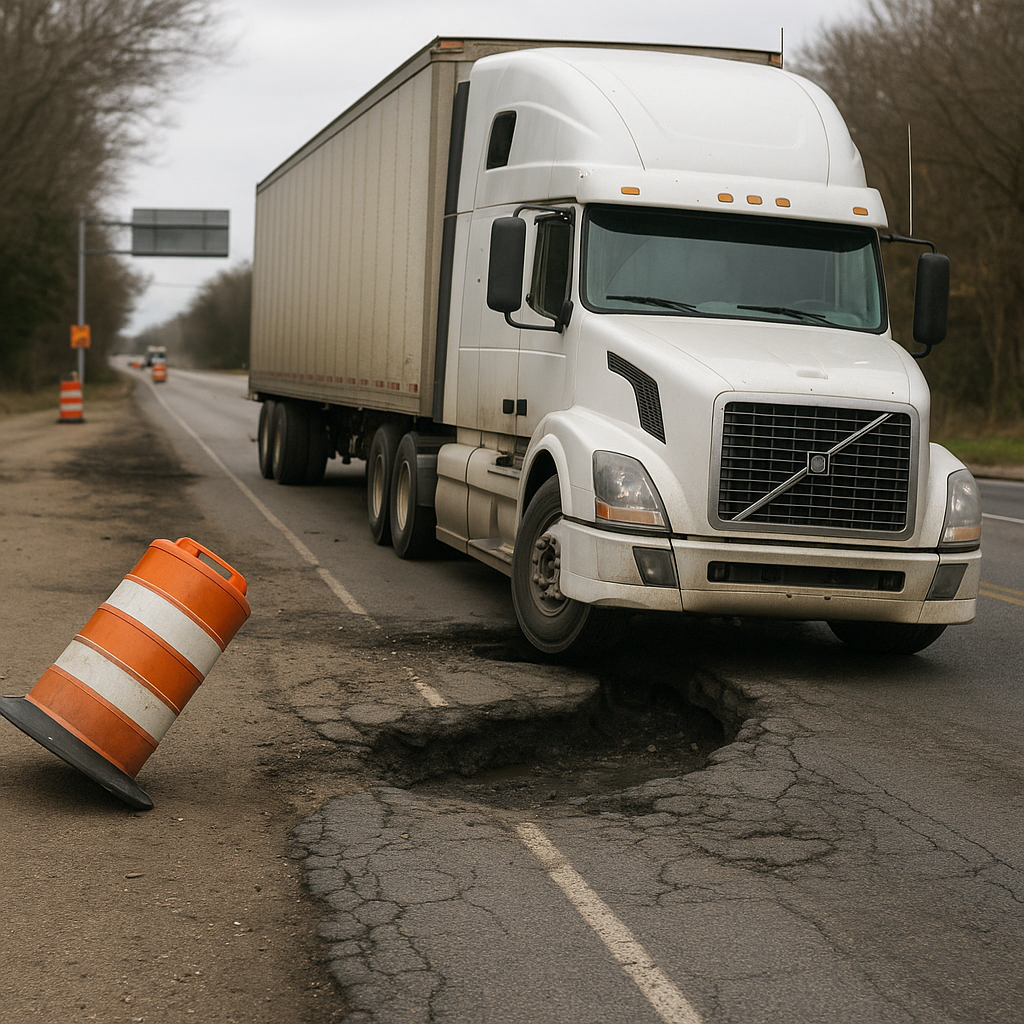
# How shared fault affects truck accident claims ## Shared fault truck accident: what it means for your claim In a **shared fault truck accident**, more than one party may be blamed for causing the crash—such as the truck driver, another driver, a trucking company, or even a vehicle manufacturer. When fault is shared, it can directly impact whether you can recover compensation and how much you may receive. ## How shared fault changes compensation Most states reduce compensation based on your percentage of fault. That means if you’re found partially responsible, your payout may shrink accordingly. – If you’re **10% at fault**, your compensation may be reduced by **10%** – If you’re **40% at fault**, your compensation may be reduced by **40%** In some states, being **over a certain percentage at fault** can prevent you from recovering anything—making the fault breakdown a crucial part of the claim. ## Why truck accidents often involve shared fault Truck crashes frequently trigger complex investigations because multiple parties can contribute to the accident, including: – **Truck driver negligence** (fatigue, speeding, distraction) – **Trucking company practices** (unsafe scheduling, poor hiring, inadequate training) – **Maintenance failures** (worn brakes, tire blowouts, skipped inspections) – **Cargo loading issues** (shifting weight, overloaded trailers) – **Other motorists’ actions** (unsafe lane changes, sudden braking) This multi-party dynamic is a major reason a **shared fault truck accident** can become more complicated than a typical car crash claim. ## Evidence that can shift fault percentages Since your financial recovery may hinge on fault allocation, evidence matters. Common sources include: – Police crash reports – Dashcam and traffic camera footage – Witness statements – Vehicle damage and crash reconstruction – Truck “black box” data (ECM/EDR) – Driver logs and hours-of-service records – Maintenance and inspection records – Cargo and weigh station documentation Strong documentation can reduce unfair fault assignments and protect the value of your claim. ## What to do if shared fault is alleged If an insurer claims you share responsibility, it’s often an attempt to limit what they pay. Practical steps include: – Avoid admitting fault at the scene or in recorded statements – Preserve evidence quickly (photos, video, contact info) – Seek medical care and document injuries promptly – Request records tied to trucking operations (logs, maintenance, dispatch, etc.) ## Bottom line A **shared fault truck accident** can lower your settlement—or block recovery entirely in some states—depending on how fault is assigned. The more clearly evidence shows what happened and who contributed, the better positioned you are to pursue full and fair compensation.

comparative negligence, shared fault truck accident, truck accident liability, multi-party truck crash claims, accident fault percentage

Read More »
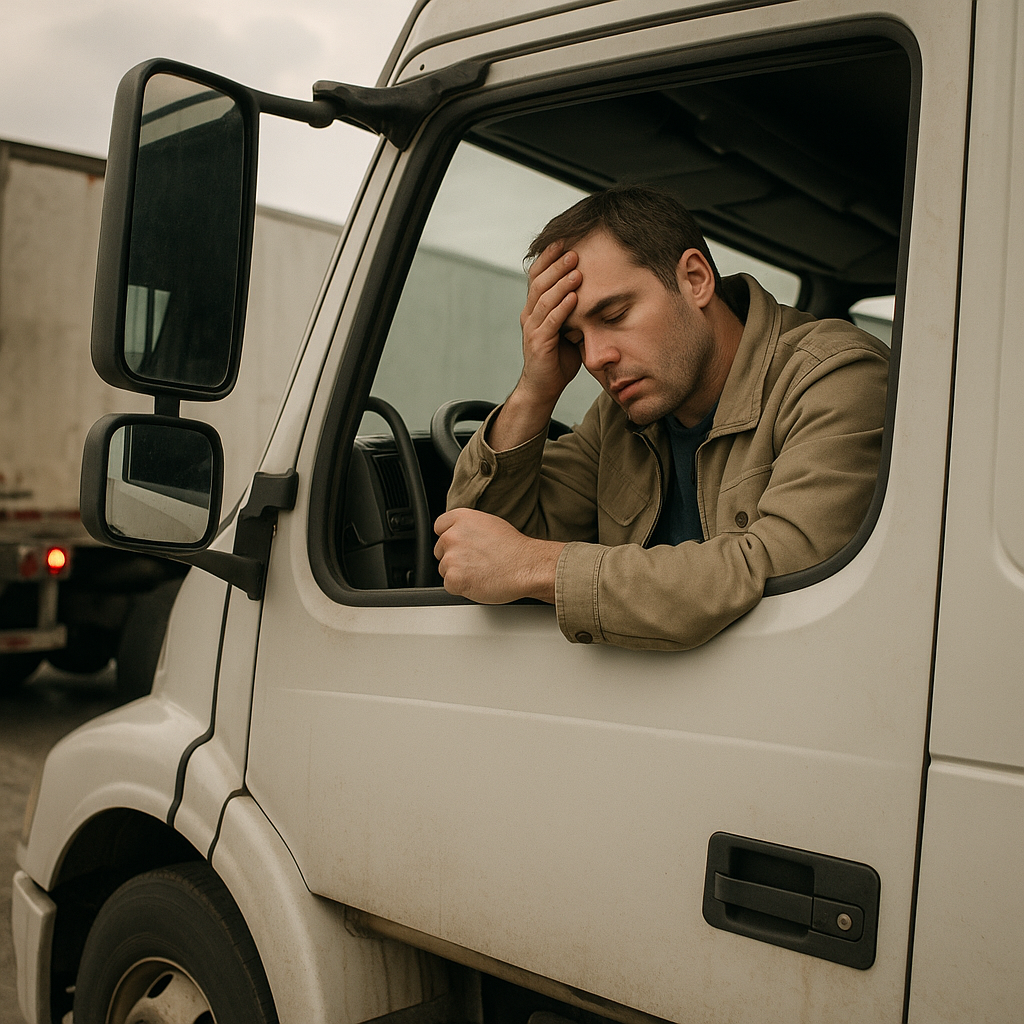
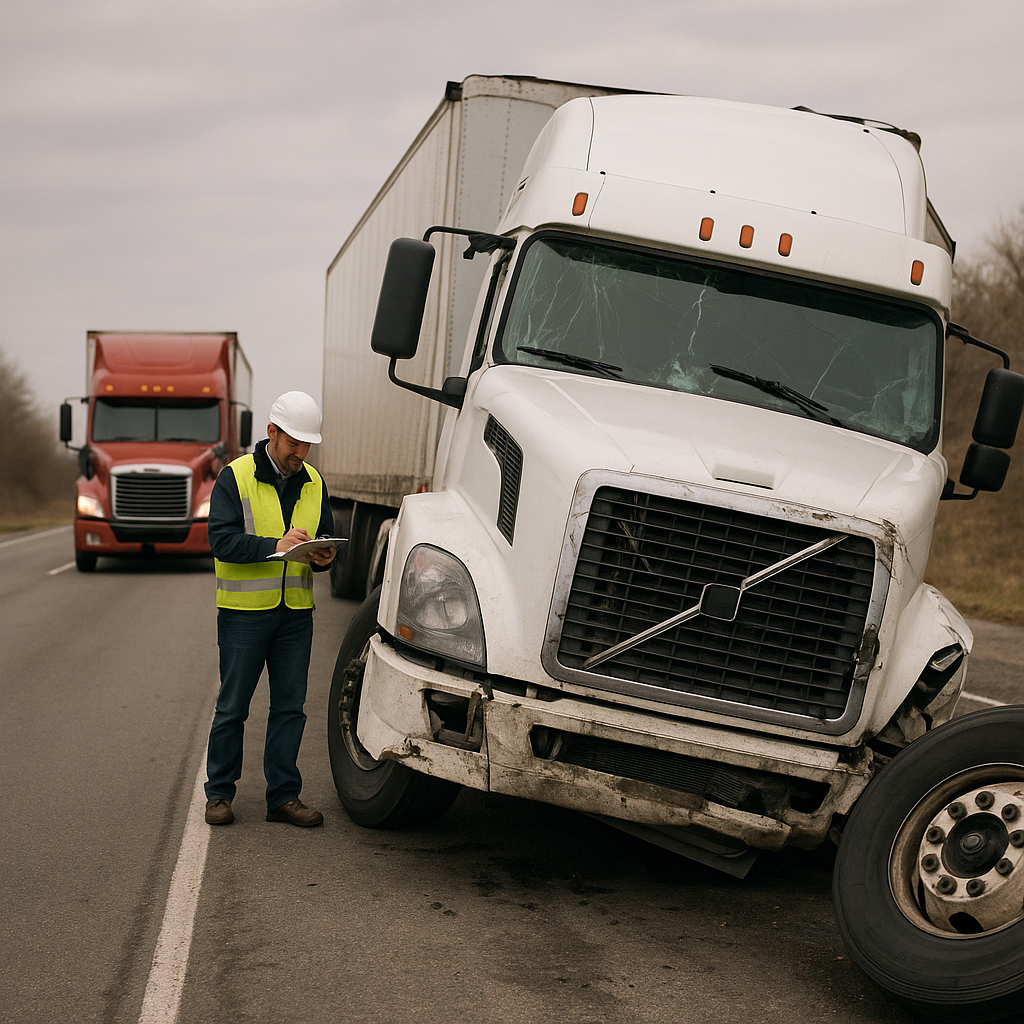
Illustration of ## What is comparative fault in truck accidents - **Comparative Fault in Truck Accidents: What It Means for Y

## What is comparative fault in truck accidents – **Comparative Fault in Truck Accidents: What It Means for Your Claim** – **Understanding Comparative Fault in a Truck Accident Case** – **Comparative Fault Truck Accident Rules: How Blame Impacts Compensation** – **How Comparative Fault Works After a Truck Accident** – **Comparative Fault Truck Accident Claims: Who Pays and How Much?** – **What to Know About Comparative Fault in Truck Accidents** – **Comparative Fault Truck Accident Settlements: What Changes When You Share Blame** – **Can You Still Recover Damages Under Comparative Fault in Truck Accidents?** – **Comparative Fault Truck Accident Scenarios That Reduce (or Bar) Recovery** – **Proving Percentages of Fault in Truck Accidents: Key Evidence That Matters**

comparative fault, truck accident liability, shared blame compensation, negligence percentages, trucking insurance claims

Read More »
reduced stamina injury illustration for Living with Reduced Stamina: Overcoming Injury Challenges

Living with Reduced Stamina: Overcoming Injury Challenges

Experiencing serious truck injuries can profoundly alter ones life, impacting stamina and daily activities. Adapting involves emotional resilience and practical adjustments, affecting routines, relationships, and independence. This article explores navigating these changes effectively.

Read More »

Permanent daily function loss

Truck crashes can lead to permanent daily function loss, severely impacting victims ability to perform routine tasks. These disabilities often result from traumatic injuries like spinal cord damage or brain trauma.

Read More »

Permanent activity limitations

Truck crashes can result in permanent disabilities, significantly limiting an individuals daily activities. These disabilities often stem from severe injuries sustained during collisions and can manifest physically, cognitively, or emotionally, impacting overall quality of life.

Read More »
independence support injury illustration for Balancing independence and support

Balancing independence and support

Life after truck injuries requires balancing independence with support. Immediate and lasting impacts include physical limitations and lifestyle changes. Adapting involves reassessing daily routines and maintaining open communication in relationships.

Read More »